Overview of the Leather Bag Industry in 2026
Market Expansion and Structural Shifts
The leather bag industry is entering a transformative phase as brands adapt to shifting consumer behaviors, digital retail acceleration, and sustainability demands. Understanding 2026 global leather bag market trends is essential for OEM manufacturers aiming to position themselves competitively in a rapidly evolving landscape.
From premium heritage brands to emerging direct-to-consumer labels, companies are rethinking sourcing, pricing, and production models. These adjustments are strongly influenced by 2026 global leather bag market trends, which highlight resilience in mid-range and affordable luxury segments despite global economic uncertainties.
Regional Growth Patterns
Asia-Pacific continues to lead in both manufacturing capacity and consumption growth, while North America and Europe focus on brand differentiation and sustainability compliance. These regional shifts form a central part of 2026 global leather bag market trends, shaping sourcing strategies for OEM suppliers.
Emerging markets in Southeast Asia, the Middle East, and Latin America are also gaining importance. As part of 2026 global leather bag market trends, these regions present new distribution channels and partnership potential for manufacturers willing to expand beyond traditional export destinations.
Sustainability as a Core Market Driver
Eco-Conscious Material Innovation
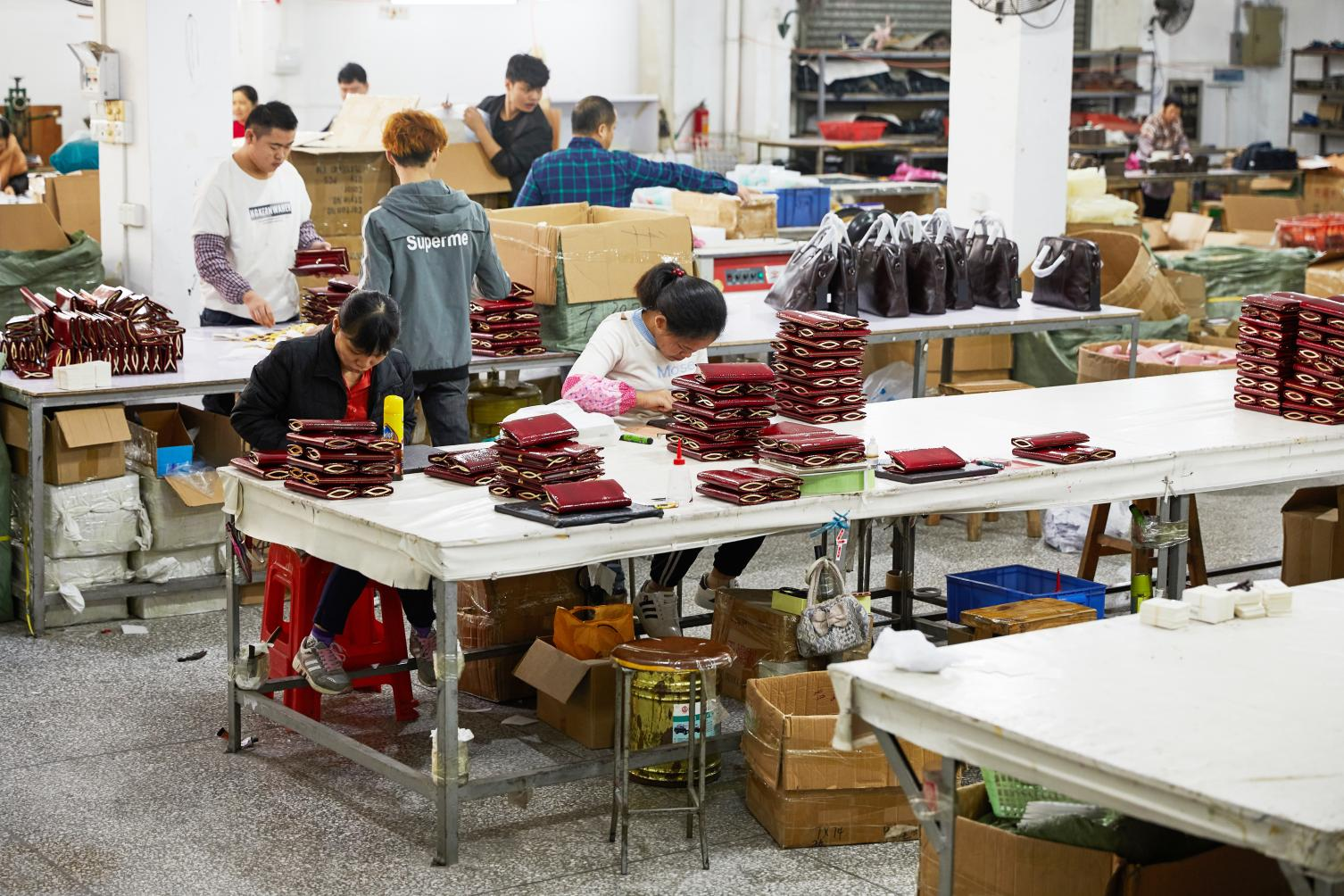
Sustainability is no longer a niche selling point; it has become a market requirement. Among the most influential 2026 global leather bag market trends is the growing demand for environmentally responsible materials, including vegetable-tanned leather, recycled leather blends, and traceable supply chains.
Consumers increasingly expect transparency regarding sourcing and production. These expectations directly influence 2026 global leather bag market trends, pushing OEM factories to invest in cleaner tanning processes and certified raw material suppliers.
Compliance and Regulatory Pressure
Government regulations in the EU and North America are tightening environmental standards. Compliance requirements are a defining factor within 2026 global leather bag market trends, especially for manufacturers serving international brands.
OEM producers who proactively align with global leather goods trends related to sustainability reporting and carbon footprint reduction will gain long-term credibility and partnership advantages.
Digitalization and Supply Chain Transformation
Smart Manufacturing and Automation
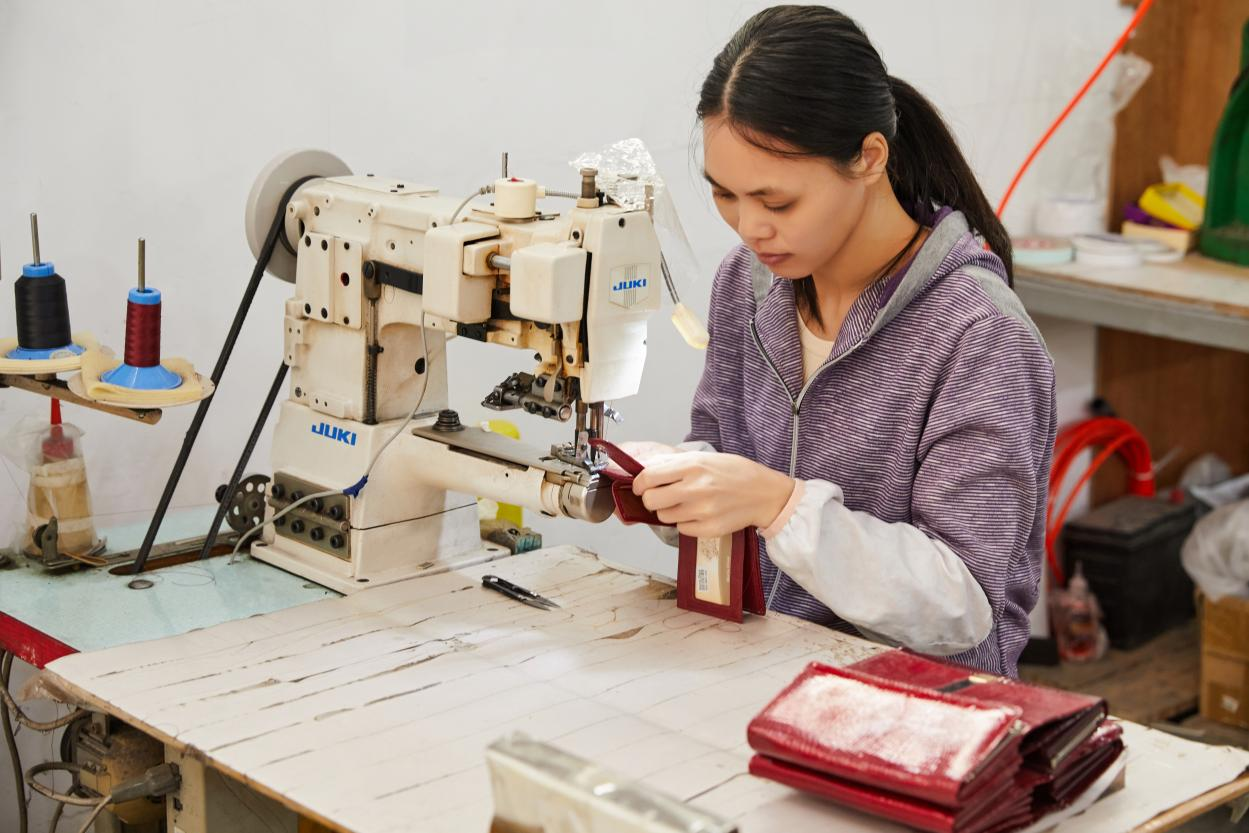
Automation, AI-driven forecasting, and digital sampling are reshaping production efficiency. These technological shifts are embedded within 2026 global leather bag market trends, allowing OEM manufacturers to reduce lead times and minimize development costs.
Digital product development tools enable faster prototyping and more accurate cost projections. As 2026 global leather bag market trends emphasize speed-to-market, factories equipped with digital workflows will outperform competitors relying on traditional processes.
Agile and Flexible Production Models
Brands are increasingly favoring smaller production runs and faster replenishment cycles. This adjustment in purchasing behavior reflects broader 2026 global leather bag market trends, where adaptability is more valuable than sheer production volume.
OEM manufacturers who can handle low minimum order quantities while maintaining quality standards will find expanded leather bag OEM market opportunities in niche and emerging brand segments.
Changing Consumer Preferences
Demand for Functional Versatility
Modern consumers prioritize practicality without compromising aesthetics. One of the strongest 2026 global leather bag market trends is the growing preference for multifunctional bags—convertible straps, lightweight construction, and organized interiors.
OEM factories that understand these user-driven priorities can better support brand innovation aligned with 2026 global leather bag market trends.
Premiumization in Mid-Range Markets
Affordable luxury continues to gain momentum. Mid-tier consumers are willing to pay for quality materials and craftsmanship, provided pricing remains accessible. This shift is a defining feature of 2026 global leather bag market trends, benefiting OEM manufacturers specializing in balanced cost-performance solutions.
Geographic Sourcing and Production Realignment
Diversification Beyond Traditional Hubs
Supply chain disruptions in previous years have encouraged brands to diversify sourcing strategies. As part of 2026 global leather bag market trends, companies are exploring multiple production regions to reduce risk and improve flexibility.
This diversification benefits OEM manufacturers in emerging production countries, particularly those offering competitive labor costs and improving infrastructure.
Nearshoring and Regional Manufacturing
Nearshoring has become more attractive due to shipping volatility and rising freight costs. These logistical considerations are embedded within 2026 global leather bag market trends, prompting brands to evaluate regional production partnerships.
OEM suppliers capable of meeting international standards while operating closer to consumer markets may secure stronger long-term contracts.
Brand Collaboration and Private Label Growth
Expansion of Private Label Programs
Retailers and e-commerce platforms are expanding private label lines. This expansion is one of the most commercially relevant 2026 global leather bag market trends for OEM producers seeking stable production volumes.
Private label growth generates consistent demand, offering manufacturers predictable planning cycles and stronger long-term partnerships.
Co-Development and Design Partnerships
Brands increasingly expect manufacturers to participate in product development. Co-design initiatives reflect evolving 2026 global leather bag market trends, where OEM factories are valued not only for production but also for innovation input.
By strengthening R&D capabilities, manufacturers can secure higher-margin collaborations.
Pricing Pressures and Cost Management
Raw Material Volatility
Fluctuations in leather pricing, labor costs, and currency exchange rates continue to challenge profitability. Managing these risks is a crucial aspect of 2026 global leather bag market trends for OEM suppliers.
Strategic sourcing and long-term supplier relationships help mitigate the impact of cost volatility within 2026 global leather bag market trends.
Efficiency Through Process Optimization
Lean production methods and waste reduction initiatives improve cost control. As 2026 global leather bag market trends prioritize efficiency, manufacturers must refine internal workflows to remain competitive.
Strategic Outlook for OEM Manufacturers
Identifying High-Growth Segments
Affordable luxury, sustainable collections, and multifunctional travel bags are among the fastest-growing categories. Recognizing these opportunities within 2026 global leather bag market trends allows OEM manufacturers to align capacity planning accordingly.
Factories that anticipate demand shifts can proactively adapt product lines in response to 2026 global leather bag market trends.
Building Long-Term Competitive Advantage
Success in 2026 will depend on more than cost competitiveness. According to 2026 global leather bag market trends, long-term growth requires sustainability compliance, digital integration, flexible production, and collaborative brand partnerships.
OEM manufacturers who combine operational efficiency with strategic foresight will be best positioned to capitalize on evolving global demand.
Conclusion: Turning Trends into Opportunity
The leather bag industry in 2026 presents both complexity and opportunity. From sustainability and digitalization to geographic diversification and private label expansion, 2026 global leather bag market trends highlight the importance of adaptability and innovation.
For OEM manufacturers, understanding and responding proactively to 2026 global leather bag market trends is not optional—it is the foundation for sustainable growth and long-term partnership success.



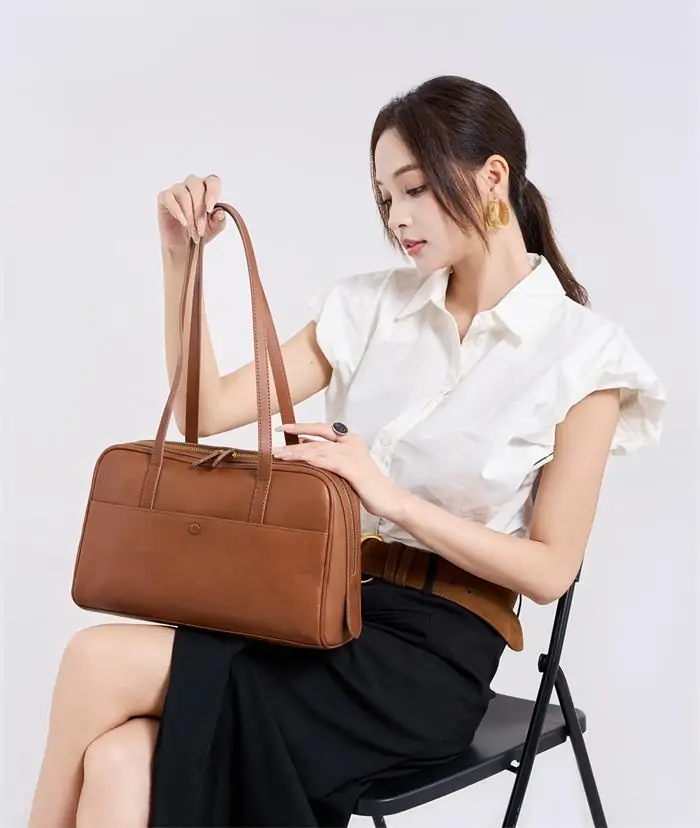 ProductsExperience the best selection at Baliya. Our leather bags and goods exude quality and charm. Inquire now for exclusive deals and custom quotes!