


-
Products
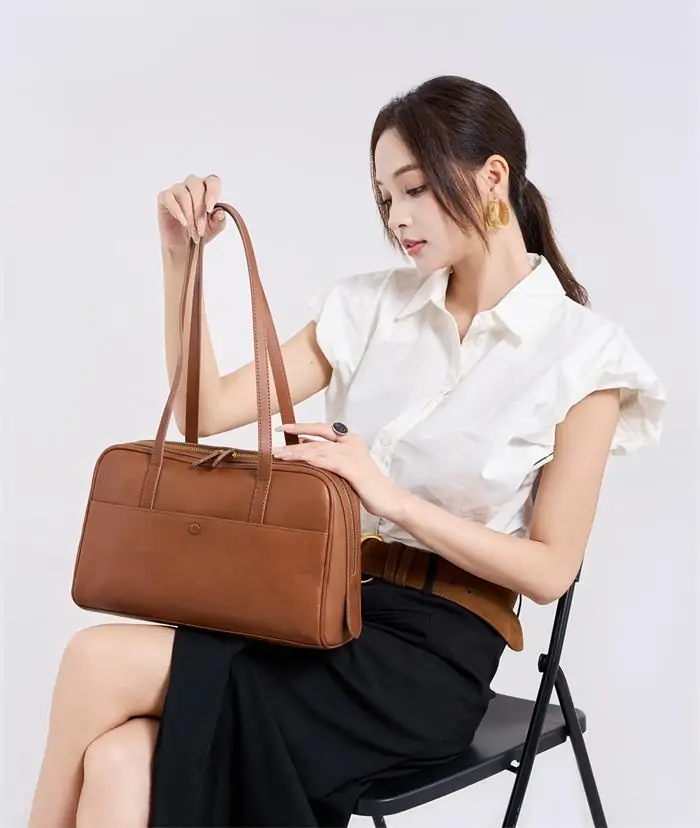 ProductsExperience the best selection at Baliya. Our leather bags and goods exude quality and charm. Inquire now for exclusive deals and custom quotes!
Bag handles are often underestimated, yet they play a crucial role in both usability and design. Beyond being a way to carry a bag, handles influence comfort, durability, visual balance, and even brand perception. Understanding different bag handle types helps designers, brands, and buyers choose styles that truly align with function and lifestyle.
A well-chosen handle can elevate the overall experience of a bag, while a poor one can limit its practicality. As fashion and functionality continue to merge, bag handle types have become a defining element in modern leather bag design.
The way a bag feels in hand or on the shoulder directly impacts daily use. Factors such as grip thickness, flexibility, attachment points, and drop length vary across bag handle types, shaping how comfortable and versatile a bag is in real-world scenarios.
From minimalist straps to sculptural top handles, bag handle types contribute significantly to a bag’s silhouette. Designers often use handles to balance proportions, add character, or communicate whether a bag is casual, professional, or luxury-focused.
There are many bag handle types used across different leather bag categories, each serving specific functional and aesthetic purposes. Choosing the right one requires understanding both structure and intended use.
Some handles are built for long hours of wear, while others prioritize elegance or compactness. The diversity of bag handle types allows brands to tailor designs to precise customer needs.
Top handles are commonly found on handbags, briefcases, and structured totes. They provide a refined appearance and are ideal for short carry durations. Among traditional bag handle types, top handles often signal professionalism and timeless style.
They are typically reinforced internally to maintain shape and withstand weight, making them suitable for work and formal settings.
Shoulder handles are designed with longer drop lengths, allowing bags to rest comfortably on the shoulder. This category of bag handle types is popular for everyday totes and hobo bags, as it offers hands-free convenience without sacrificing accessibility.
Strap-based bag handle types dominate modern casual and travel-focused leather bags. Their flexibility and adaptability make them suitable for a wide range of users and scenarios.
These handles often incorporate adjustability and padding, responding to the demand for comfort-driven design.
Adjustable straps allow wearers to customize length based on body type or carrying preference. Among contemporary bag handle types, this option is especially common in crossbody and messenger bags.
It supports versatility, enabling a single bag to transition between shoulder carry and crossbody use.
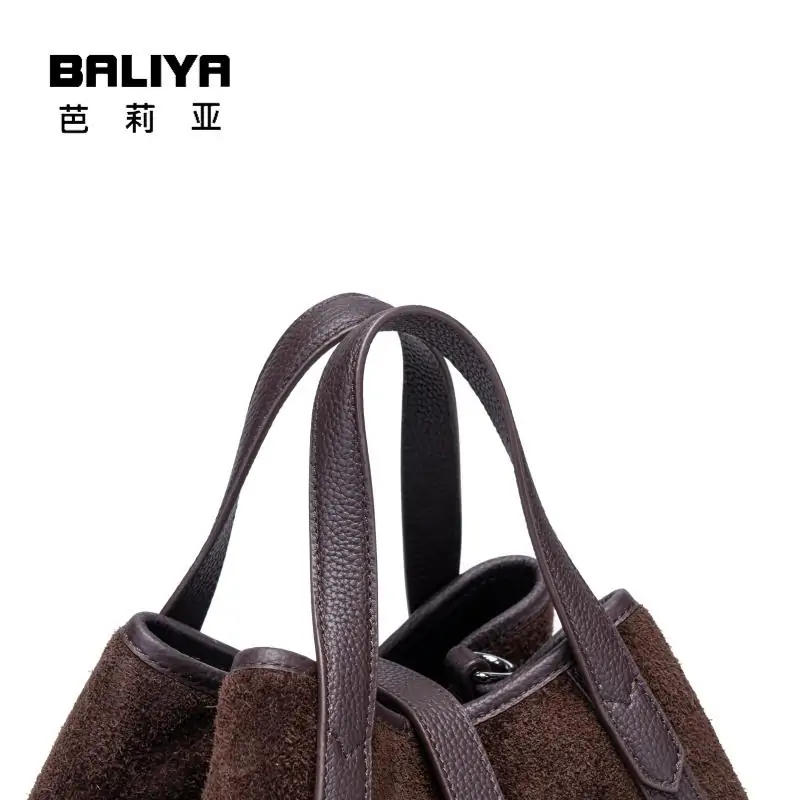
Crossbody straps distribute weight evenly across the torso, making them ideal for travel and urban commuting. This practical approach to bag handle types aligns well with modern lifestyles focused on movement and efficiency.
Handle length is as important as handle style. Different bag handle types vary significantly in drop length, which affects comfort and posture.
Short handles typically encourage hand-carry or forearm carry, while longer handles accommodate shoulder or crossbody wear.
Short handles are often paired with small handbags or structured leather pieces. Within the spectrum of bag handle types, they emphasize elegance and control rather than extended comfort.
Long handles support heavier loads and longer wear times. Totes and carry-all bags frequently rely on this category of bag handle types to balance capacity and comfort.
Understanding how handles are attached helps explain why some designs last longer than others. The durability of bag handle types depends heavily on construction techniques.
This is where craftsmanship and engineering intersect with design.
High-stress areas such as handle bases require reinforcement. Strong stitching and layered leather ensure bag handle types can support weight without tearing. This is closely connected to how are leather bags made, as handle construction is a critical production stage.
Some bag handle types use metal rings, clasps, or rivets for attachment. These elements fall under broader bag hardware types and allow handles to be detachable or interchangeable, increasing versatility.
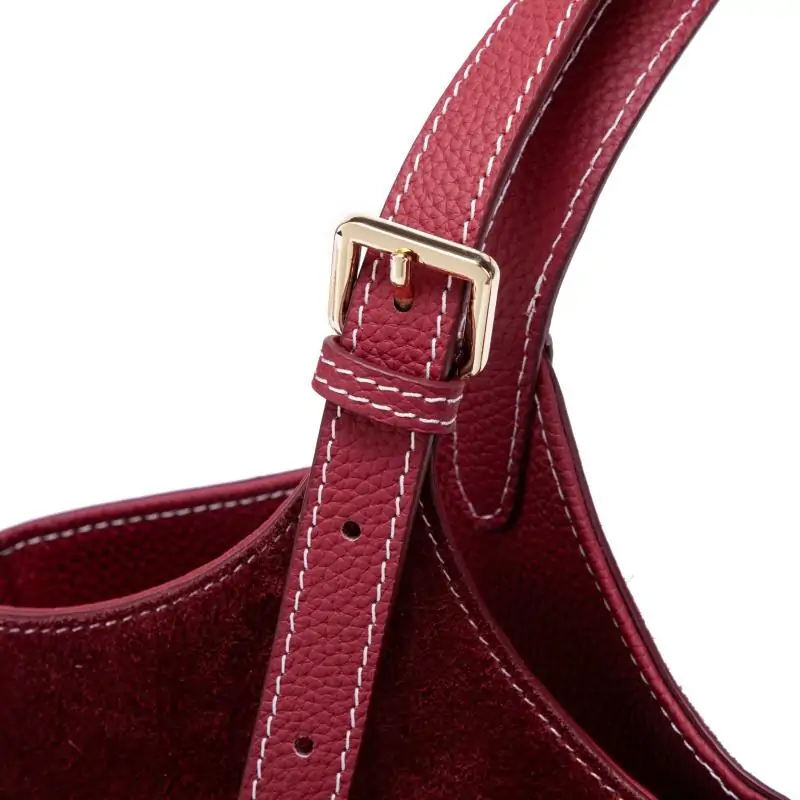
Comfort is no longer optional—it is a key expectation. Modern bag handle types are increasingly designed with ergonomics in mind.
Designers must balance aesthetics with usability to meet consumer demands.
Wider handles distribute weight more evenly, reducing pressure on the hand or shoulder. This principle applies across many bag handle types, especially those intended for heavier bags.
Some users prefer soft, flexible handles, while others value firm, structured ones. Selecting among bag handle types depends on whether comfort or formality is the priority.
No single handle works for every bag. The intended function should guide the selection of bag handle types.
Work bags, travel bags, and fashion-forward pieces all benefit from different handle solutions.
Briefcases and office totes typically use structured top handles combined with optional shoulder straps. This hybrid approach leverages multiple bag handle types to suit different contexts.
Casual leather bags often favor softer strap-based bag handle types that emphasize comfort and relaxed style.
Trends influence how bag handle types evolve over time. Minimalist designs, contrast stitching, and sculptural handles are shaping current collections.
Handles are no longer purely functional—they are design features in their own right.
Clean lines and integrated handles appeal to modern consumers. These bag handle types often blend into the bag body, creating a sleek appearance.
Bold or uniquely shaped handles turn functional elements into visual highlights. This approach redefines traditional bag handle types by emphasizing creativity.
Handles experience the most wear over time, making durability a key consideration. The longevity of bag handle types depends on materials, construction, and use habits.
Proper care can significantly extend their lifespan.
Handle bases and edges are common wear zones. Choosing high-quality bag handle types reduces the risk of early damage.
Regular conditioning and avoiding overloading help maintain flexibility and strength. Well-maintained bag handle types preserve both function and appearance.
Bag handles are more than accessories—they define how a bag looks, feels, and performs. Understanding bag handle types allows designers and buyers to make informed decisions that balance comfort, durability, and style.
When handle design aligns with bag purpose, the result is a leather bag that not only looks good but also works seamlessly in everyday life.