


-
Products
 ProductsExperience the best selection at Baliya. Our leather bags and goods exude quality and charm. Inquire now for exclusive deals and custom quotes!
When shopping for a quality leather bag, you’ll often hear about two prominent contenders: buffalo leather and cow leather. The debate between buffalo leather vs cow leather centers on durability, texture, and suitability for different styles. Both materials are widely used in bag making, but they offer distinct characteristics that can impact your bag’s longevity and appearance. While buffalo leather vs cow leather comparisons often highlight toughness, other alternatives like goat leather also enter the conversation for specific uses. In this article, we’ll explore which leather performs best under daily wear and tear, and help you decide which material is the ideal choice for your next bag.
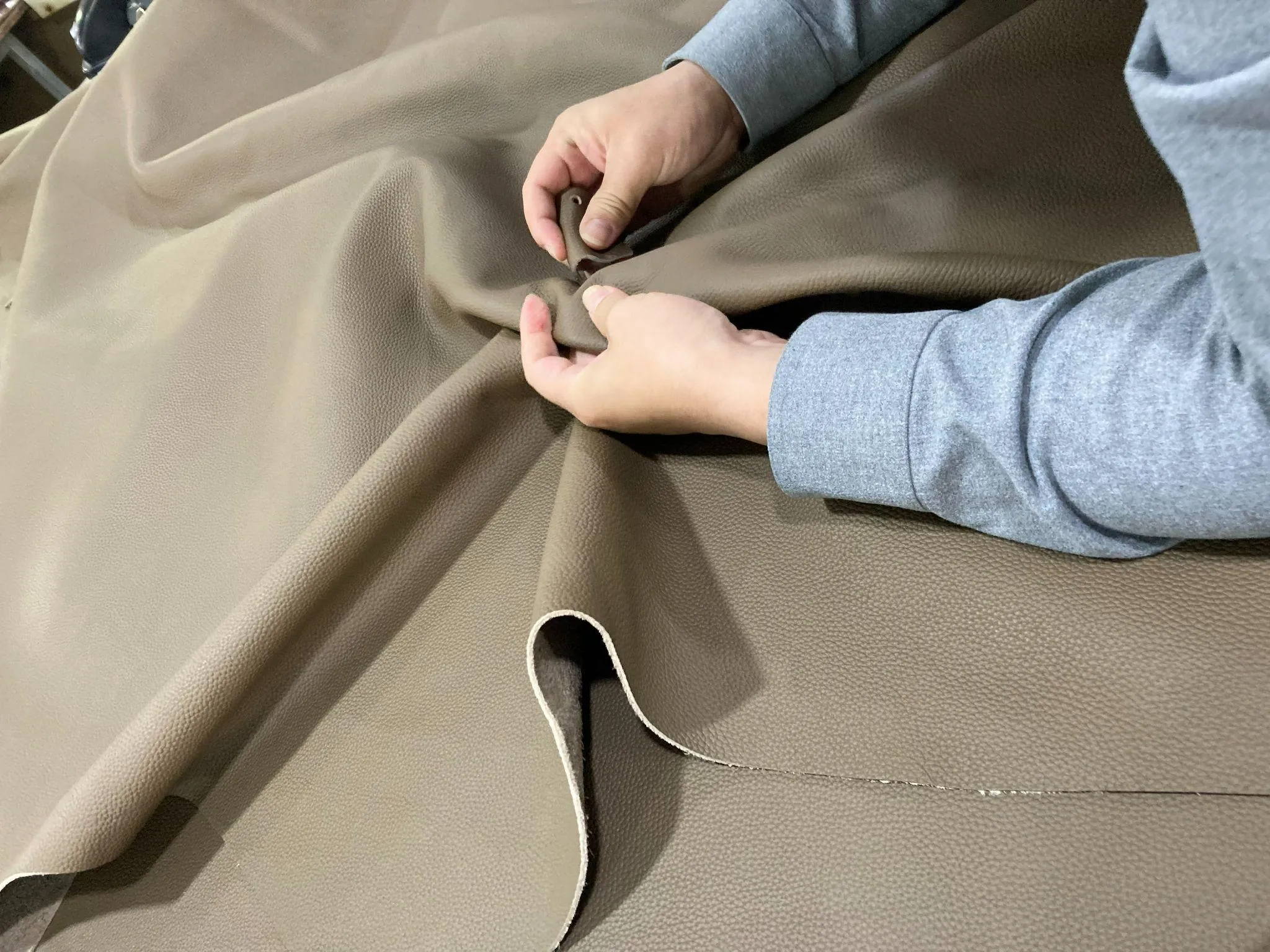
The journey of leather begins with the animal hide and its treatment. Buffalo leather comes from water buffalo, primarily raised in Asia, while cow leather is sourced from cattle globally. Buffalo hides are generally thicker and have a more pronounced grain due to the animal’s rugged lifestyle. This natural texture isn’t just for looks; it contributes to the hide’s inherent strength. Cowhide, being more uniformly available, undergoes various tanning processes to achieve different finishes—from full-grain to corrected grain. When considering which leather is best for bags, understanding these origins is key. The density and fiber structure of buffalo hide often give it a resilience that cowhide may lack in its natural state, though premium cowhide can be exceptionally durable when properly tanned.
In the buffalo leather vs cow leather showdown for toughness, buffalo often takes the lead. Buffalo leather’s thicker, more robust hide makes it highly resistant to scratches, abrasions, and general wear. Its fibrous structure is looser than cowhide’s tight weave, allowing it to absorb impacts without showing damage immediately. This makes buffalo leather bags excellent for rough, daily use—think travel duffels or work satchels that face the elements. Cow leather, depending on its cut and tanning, can be very tough as well, especially full-grain cowhide. However, it may require more maintenance to retain its appearance over time. For someone prioritizing longevity under harsh conditions, buffalo might edge out cowhide in this category of the buffalo leather vs cow leather debate.

Beyond toughness, the look and feel of your bag matter. Buffalo leather boasts a distinctive, rugged aesthetic with a prominent grain pattern and natural markings that give each bag a unique, earthy character. It often develops a rich patina over time. Cow leather offers more variety: it can be smoothed and polished for a sleek office bag or left natural for a casual vibe. When pondering which leather is best for bags from a style perspective, consider your personal taste. Buffalo suits those who love a bold, rustic look, while cow leather provides versatile options for both formal and casual settings. Interestingly, in discussions of goat leather vs cow leather, goat leather is noted for its soft, supple texture—ideal for lightweight, slouchy bags—but it generally lacks the tough resilience needed for heavy-duty use.
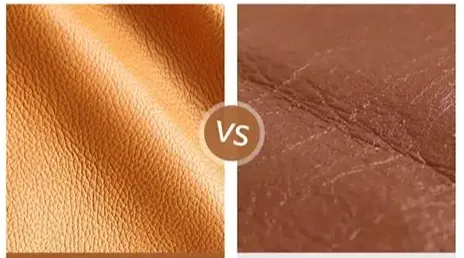
The toughness of leather often comes with added weight—a crucial factor for bags. Buffalo leather is denser and heavier than most cow leathers. A large buffalo leather tote or backpack might feel substantial, which could be a drawback for daily commuting. Cow leather bags, especially those made from split or thinner cuts, offer a lighter carry without sacrificing much strength. This is where comparing goat leather vs cow leather is also relevant: goat leather is remarkably lightweight and flexible, making it great for delicate evening bags or unstructured pouches. For an everyday bag that needs to be tough yet manageable, a medium-weight cow leather might strike the best balance. In the buffalo leather vs cow leather weight debate, your tolerance for heft will guide your choice for practical, day-long use.
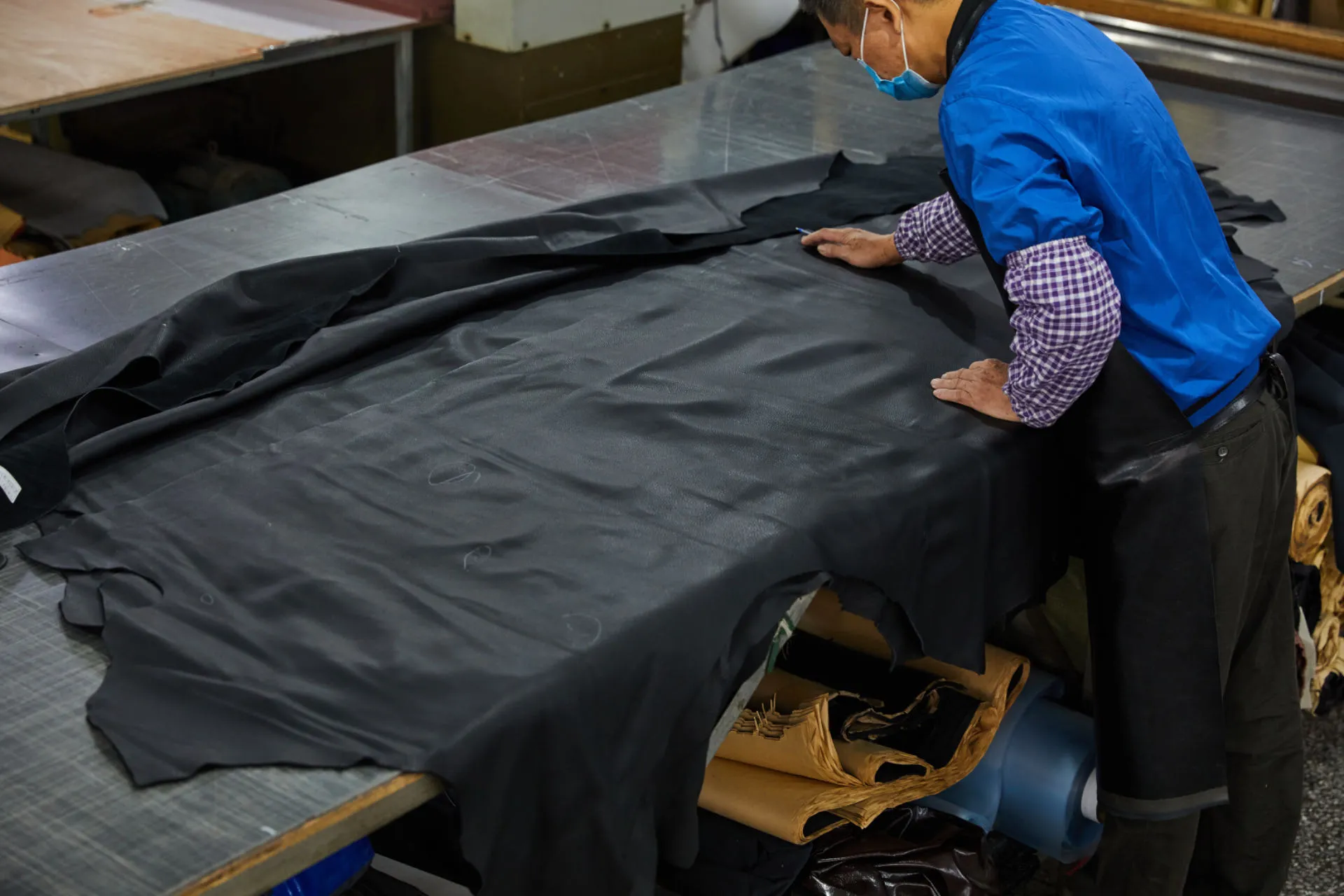
How a leather bag ages affects its long-term appeal. Buffalo leather, due to its oily nature and thick grain, tends to age gracefully, hiding scuffs and developing a deep, attractive patina with minimal care. It’s less prone to staining and water damage. Cow leather requires more regular conditioning to prevent drying and cracking, especially in polished finishes. Some prefer this interactive care, as it allows them to preserve a specific look. When evaluating which leather is best for bags over decades, buffalo often requires less upkeep while maintaining its tough integrity. Comparatively, in a goat leather vs cow leather maintenance discussion, goat leather is delicate and may show wear more quickly, needing gentle handling. Your lifestyle—whether you’re low-maintenance or enjoy leather care rituals—will influence your preference in the buffalo leather vs cow leather maintenance spectrum.
Price is a practical factor in choosing leather. Buffalo leather is typically more expensive due to its scarcity and the labor-intensive tanning process required for its thick hide. A buffalo leather bag is an investment, but you’re paying for exceptional durability and unique texture. Cow leather spans a wider price range: high-quality full-grain cowhide bags can be costly, while corrected-grain cowhide offers affordability. For those on a budget but seeking durability, cow leather provides solid value. It’s worth noting that in comparisons like goat leather vs cow leather, goat leather often falls in a mid-range price point, valued for softness rather than ruggedness. When deciding which leather is best for bags for your budget, weigh the cost per use—a tougher, pricier buffalo bag might outlast several cheaper bags, offering better long-term value in the buffalo leather vs cow leather value analysis.
Choosing between buffalo and cow leather for bags ultimately depends on your priorities. If maximum toughness, rustic character, and low maintenance are your top criteria, buffalo leather is an outstanding choice. Its resilience makes it ideal for adventure gear, work bags, or any bag facing rough conditions. If you prefer a balance of strength, lighter weight, and versatile style, high-quality cow leather remains a classic, reliable option. Throughout this buffalo leather vs cow leather exploration, we’ve seen that each has merits depending on use. Remember, alternatives like goat leather vs cow leather offer different benefits—softness and lightness—for specific bag types. When determining which leather is best for bags, consider how the bag will be used, the aesthetic you desire, and how much care you’re willing to provide. Whether you choose the rugged might of buffalo or the adaptable endurance of cow leather, investing in quality hide ensures your bag will be a faithful companion for years to come.