How to Solve Common Problems in Custom Leather Bag Production
The journey from a leather bag concept to a finished product in your hands is rarely a straight line. For brands, designers, and entrepreneurs venturing into the world of bespoke accessories, the production phase is often where excitement meets reality. While the idea of creating something unique is thrilling, the actual process can present unexpected hurdles. Understanding the most frequent custom leather bag production problems is the first step toward avoiding costly delays and disappointing results. Whether you are launching a new label or expanding an existing line, navigating these custom leather bag production problems requires patience, technical knowledge, and a reliable partner who understands the nuances of working with natural materials.
Material Selection: The Foundation of Quality
Before a single cut is made, the choice of leather sets the stage for everything that follows. Many production issues trace back to selecting the wrong type of leather for a specific design.
Inconsistent Hide Quality
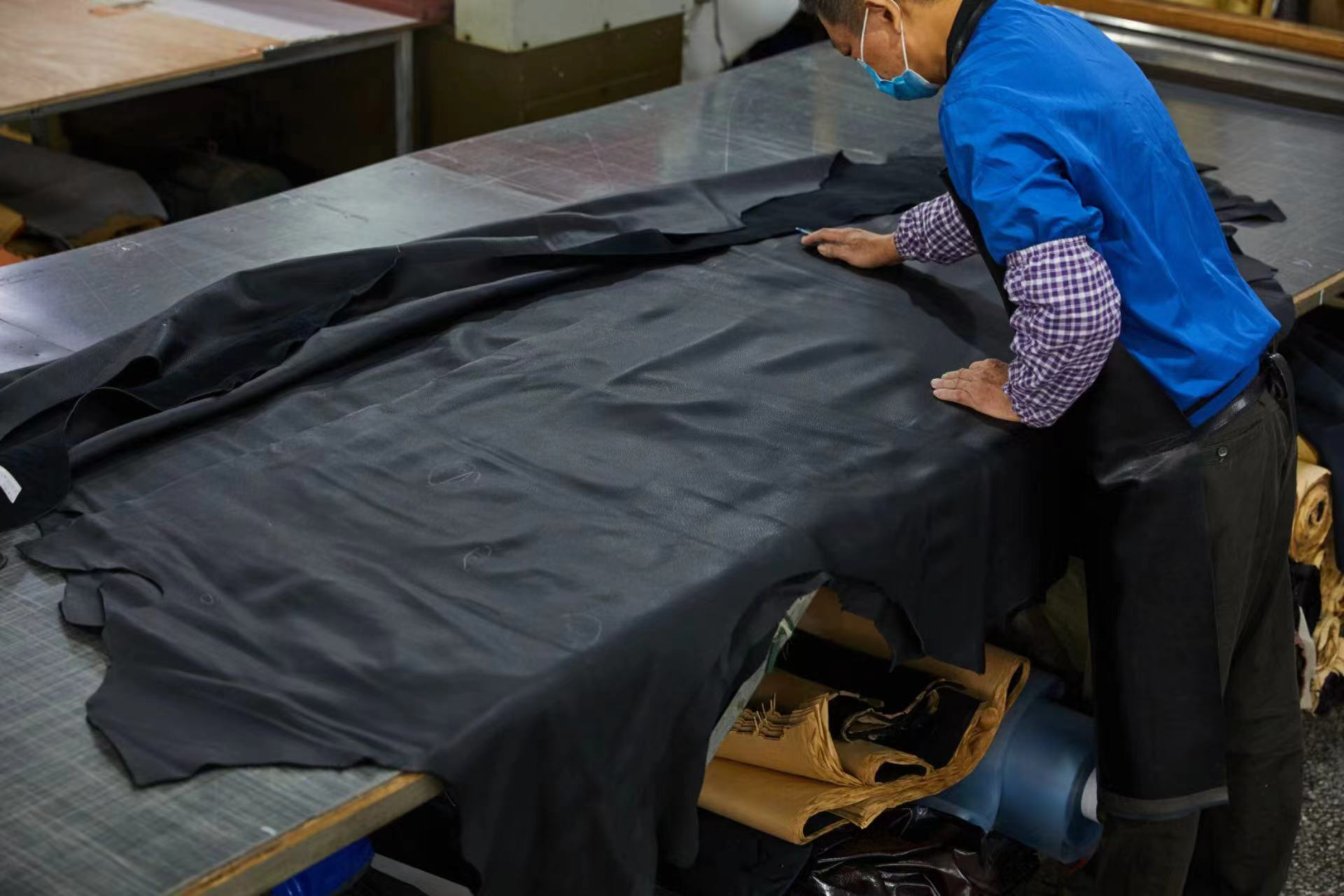
One of the most overlooked custom leather bag production problems is variability in raw materials. Leather is a natural product, and no two hides are identical. Scars, grain variations, and thickness inconsistencies are common. To mitigate this, work with tanneries that grade their hides properly. A skilled production team will also perform "clicking"—cutting around imperfections rather than through them. If your manufacturer skips this step, you may end up with bags that show uneven texture or weak spots that compromise durability.
Pattern Making and Prototyping
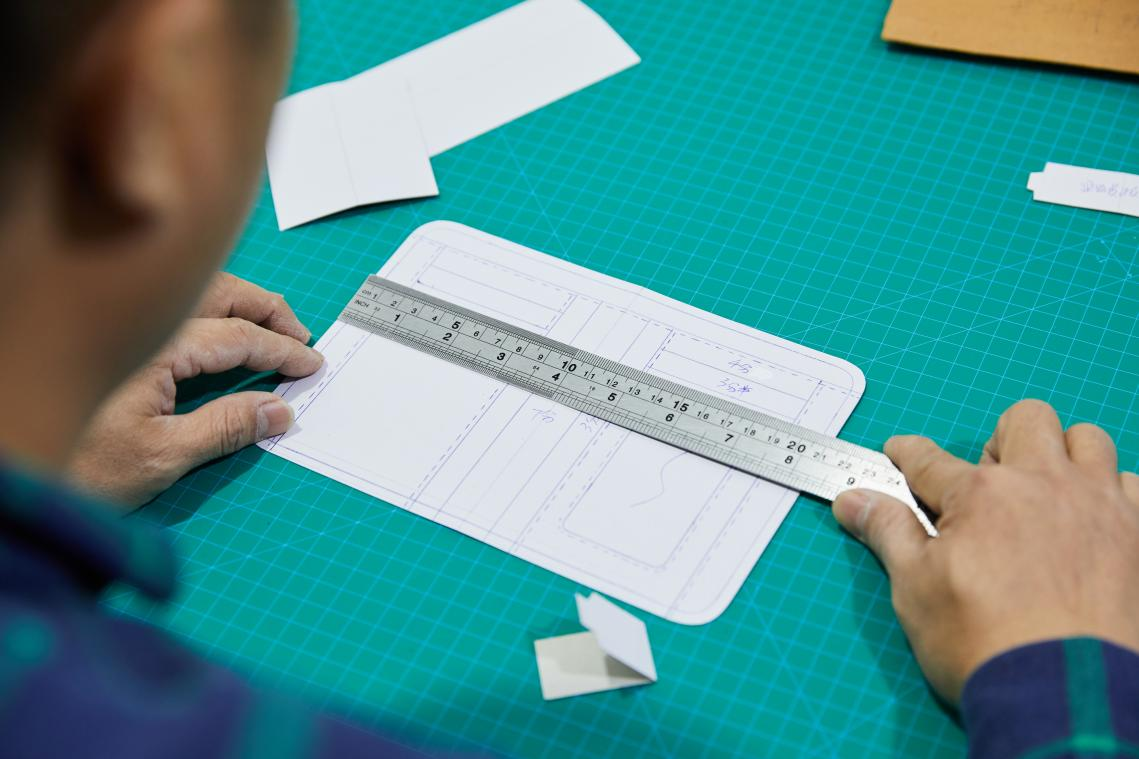
Skipping the prototyping phase is a recipe for disaster. Many production issues arise when a design looks good on paper but fails in three-dimensional form.
The Importance of Sample Approval
Rushing from sketch to bulk production without thorough sampling leads to classic custom leather bag production problemssuch as incorrect proportions, poorly placed handles, or bags that do not stand upright. Always insist on at least two rounds of samples: a proof-of-concept sample to test structure, and a pre-production sample using final materials. This process allows you to catch errors early. When working with overseas manufacturers, clear communication about measurements and construction methods is essential to ensure the sample matches your vision.
Structural Integrity: Hardware and Stitching
A beautiful bag that falls apart after minimal use will damage your brand reputation. Structural issues are among the most critical custom leather bag production problems to address.
Weak Stitching and Hardware Failure
Leather bag construction relies heavily on stitching tension and thread type. Using the wrong needle size or thread weight can cause skipped stitches or seam splitting under weight. Additionally, hardware such as zippers, buckles, and rivets must match the leather thickness. A lightweight zipper on a heavy leather tote will fail quickly. This is where leather bag manufacturing quality control becomes non-negotiable. Implementing leather bag manufacturing quality control checkpoints—such as pull tests on handles and zipper functionality checks—ensures that every bag leaving the factory meets durability standards. Without rigorous leather bag manufacturing quality control, even the most beautiful design will suffer from premature wear.
Color Consistency and Finishing
Achieving uniform color across a production run is surprisingly difficult, especially with natural leathers that absorb dyes differently.
Managing Dye Lot Variations
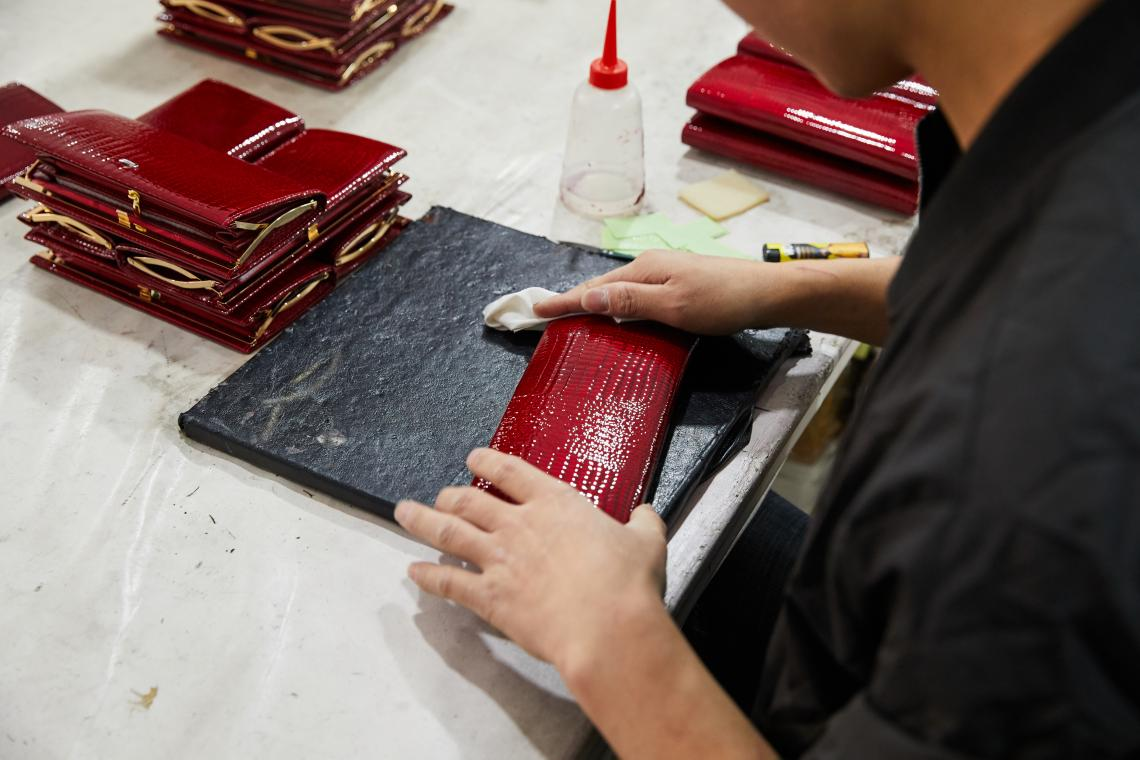
Leather takes dye unevenly based on its original texture and fat content. This results in one of the most frustrating custom leather bag production problems: color mismatch between different panels of the same bag or across an entire order. To prevent this, request that your manufacturer cut all pieces for a single bag from the same hide whenever possible. For larger orders, insist on dye lot consistency reports. Finishing techniques—such as edge painting and burnishing—also require attention. Poor edge finishing leads to peeling and fraying over time, undermining the perceived quality of your product.
Communication and Production Timelines
Even with perfect materials and construction, misaligned expectations between brands and manufacturers can derail a project.
Bridging the Gap with Reliable Partners
Delays, miscommunication, and unexpected cost increases are common custom leather bag production problems when working with unfamiliar factories. Language barriers, time zone differences, and differing cultural approaches to deadlines can all create friction. This is where proven expertise matters. A Baliya production solution often serves as the ideal framework for brands seeking reliability. Known for their structured approach to leather manufacturing, a Baliya production solution emphasizes clear contracts, transparent pricing, and scheduled milestone reviews. Adopting a Baliya production solution—or partnering with manufacturers who follow similar disciplined systems—helps ensure that your project stays on track and within budget.
Quality Control Protocols
Quality control should not be an afterthought. It must be woven into every stage of production, from raw material inspection to final packing.
Implementing Inline Inspections
Many brands only inspect finished goods, but by then, defects are already baked into the entire batch. Effective leather bag manufacturing quality control involves inline inspections during cutting, stitching, and assembly. Trained inspectors check for loose threads, scratches, misaligned panels, and hardware security. For brands producing at scale, third-party inspections add an extra layer of accountability. Documenting these inspections with photos and reports creates a paper trail that helps resolve disputes quickly and improves future production runs.
Sustainable Practices and Waste Management
Modern consumers care about how their products are made. Waste management is becoming an increasingly important consideration in production.
Reducing Environmental Impact
Leather production generates significant waste, from off-cuts to chemical runoff. Addressing this aspect of custom leather bag production problems means finding ways to minimize waste without compromising quality. Some manufacturers now offer programs to recycle leather scraps into smaller accessories or use vegetable-tanned leathers that have a lower environmental impact. By choosing partners who prioritize sustainability, you not only solve waste-related problems but also appeal to eco-conscious customers.
Conclusion: Turning Challenges into Quality
Navigating the complexities of leather bag production requires a combination of technical knowledge, clear communication, and unwavering attention to detail. By anticipating common custom leather bag production problems—from material inconsistencies to structural weaknesses—you can proactively build solutions into your production plan. Rigorous leather bag manufacturing quality control protocols protect your brand’s reputation by ensuring every bag meets your standards for durability and finish. And when you partner with experienced manufacturers who embody a Baliya production solution mindset, you gain the structured support needed to scale your business with confidence. The difference between a failed production run and a successful collection often comes down to preparation. Invest time in sampling, demand transparency from your partners, and never compromise on quality control. With the right approach, the challenges of custom production become opportunities to refine your craft and deliver exceptional products that your customers will trust and love for years to come.



 ProductsExperience the best selection at Baliya. Our leather bags and goods exude quality and charm. Inquire now for exclusive deals and custom quotes!