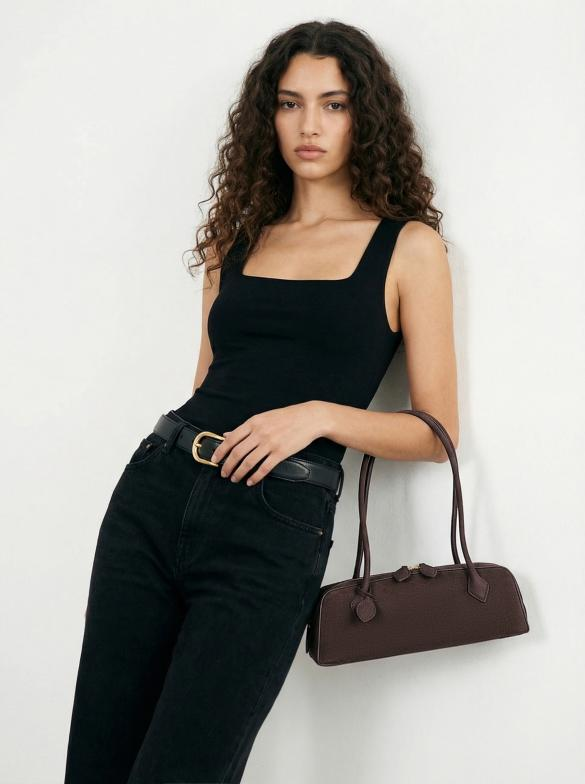
How to Design a Custom Leather Tote Bag for Daily & Work Use
There is something uniquely satisfying about carrying a bag that feels like it was made just for you. Off-the-shelf options often force a compromise: the color is right, but the size is off, or the pockets are perfect, but the leather feels too stiff. When you choose to create your own, you bridge that gap between style and functionality. Engaging in custom leather tote bag design allows you to become the creator, ensuring every stitch, strap, and compartment aligns with your lifestyle. Whether you need a polished piece for boardroom presentations or a sturdy carrier for your daily commute, the journey of custom leather tote bag design ensures the final product isn't just an accessory, but a seamless extension of your daily routine.
1.Defining Your Tote's Purpose and Lifestyle
Before you even think about leather swatches or zipper colors, you need to get granular about how this bag will live with you. A tote destined for a nine-to-five desk job has very different needs than one intended for a weekend getaway or a chaotic college campus.
2.Analyzing Your Daily Carry
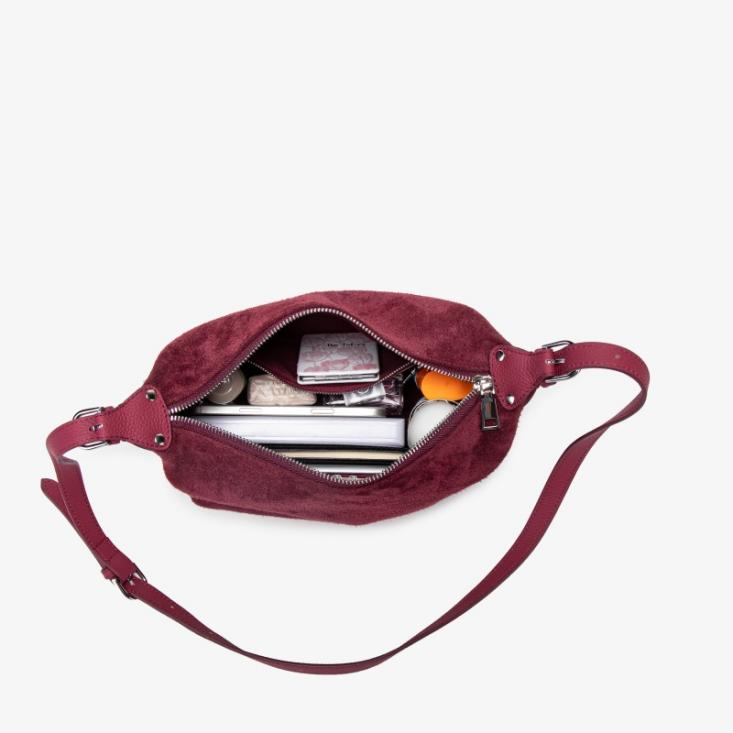
Start by emptying your current bag onto the floor. What do you see? For the workday, a laptop (and its specific size), a tablet, a charger, a notebook, and perhaps a pair of flats for the commute are non-negotiables. These items require structure and protection. If you find yourself hauling files or a change of clothes for the gym, you are venturing into the territory of a large capacity leather tote factory mindset—thinking about how professional manufacturers build bags that can handle volume without collapsing. They use reinforced bottoms and wider gussets to maintain shape under a heavy load. Studying this construction method can inspire you to ask for similar durability in your own design, ensuring your tote doesn't sag when you pack it for a long day.
3.Transitioning from Desk to Dinner
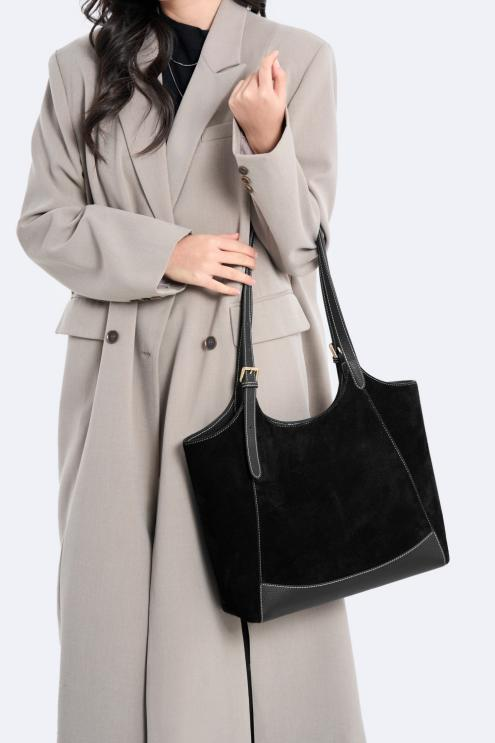
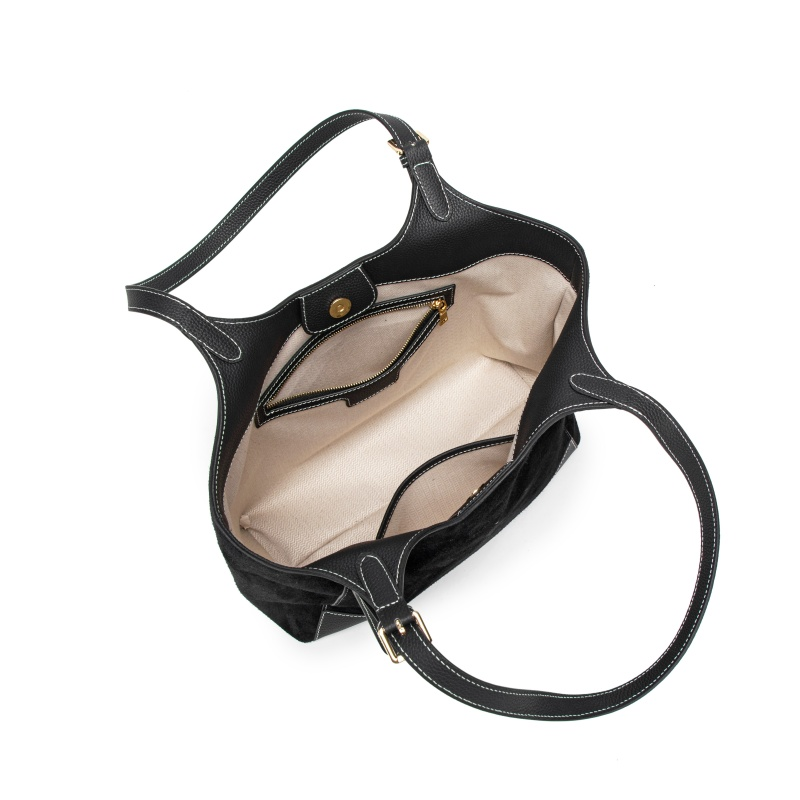
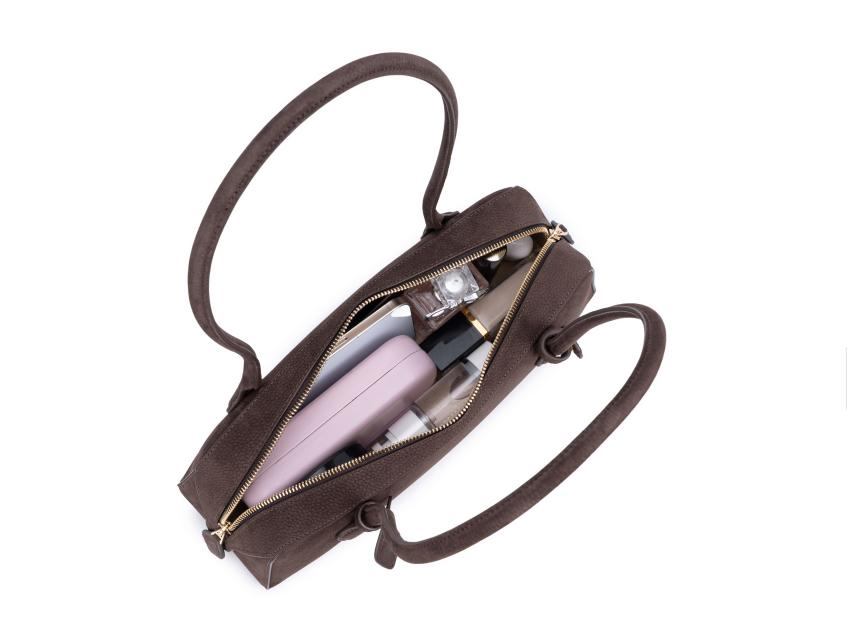
A truly successful design works for the 9-to-5 and the 5-to-9. Consider features that allow your bag to pivot. Perhaps you need a detachable pouch for makeup or a sleek interior slot that can hold a tablet during the day but tuck away a paperback at night. This is where material choice gets exciting. If you are considering a softer, more tactile option for an interior pocket or a contrasting panel, you might explore suede leather tote customization. Suede adds a luxurious, textured feel that elevates the bag's aesthetic for evening use, while still being durable enough for daily wear when properly treated.
4.Selecting the Perfect Leather and Hardware
The soul of your tote lies in the materials you choose. Leather varies dramatically in weight, texture, and how it ages. Full-grain leather is the toughest and will develop a beautiful patina over time, making it ideal for the exterior of a work bag. For the lining or internal organizers, a softer leather like lambskin or even a sturdy canvas can reduce bulk. Hardware is the jewelry of your bag. Do you prefer the cool sheen of silver, the warmth of brass, or the modernity of black nickel? Think about functionality too. Magnetic snaps offer quick access, while zippers provide security. If you are working with a manufacturer, discussing these details with a large capacity leather tote factory representative can help you source heavy-duty zippers and reinforced stitching that will withstand the weight of a fully packed bag, preventing the common issue of broken pulls or popped seams.
5.Mastering the Art of Compartments and Organization
A tote bag's biggest weakness can be its "black hole" effect—where keys, pens, and phones disappear into the abyss. The antidote to this is thoughtful compartmentalization. The Power of the Pocket When drafting your design, consider a dedicated padded sleeve for your laptop. This protects your device and prevents it from sliding around. On the interior, think about slip pockets for your phone and a zippered pocket for valuables like keys and wallets. On the exterior, a small magnetic pocket is perfect for a transit card or lip balm you need to grab in a hurry. This level of detail is what separates a generic bag from a true custom leather tote bag design. You aren't just dictating the color; you are dictating the flow of your morning routine.
6.Structure vs. Slouch
Decide on the silhouette. Do you want a rigid, boxy tote that stands at attention on your desk, or a softer, slouchy bag that hugs your body? The leather weight and the inclusion of a reinforced base (often made with a separate piece of leather or a hidden stiffener) will determine this. If you opt for a slouchier look but still need organization, internal pockets made from contrasting materials can add both function and flair. For instance, adding a suede leather tote customization element—like suede-lined pockets—provides a beautiful interior surprise every time you open the bag, while also protecting delicate items like sunglasses from scratches.
7.Strap Length and Comfort Considerations
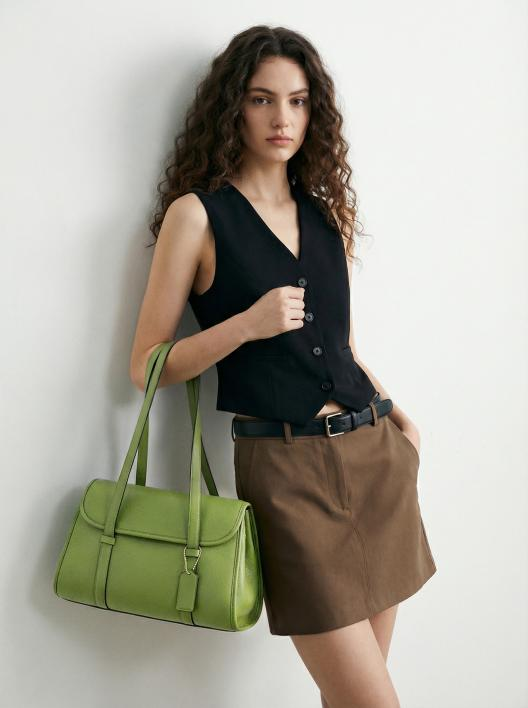
Nothing ruins a great bag faster than straps that dig into your shoulder. The length and width of your straps are ergonomic decisions that directly impact your daily comfort. For a work tote that will carry a laptop, wider straps (around 1.5 to 2 inches) are essential to distribute weight evenly. Consider the drop length as well. Shoulder straps should be long enough to fit comfortably over a winter coat, while handles you carry by hand should be shorter and more structured. Some of the best custom leather tote bag design projects include a removable, longer crossbody strap. This adds incredible versatility, allowing you to switch from a professional hand-carry look to a hands-free commute mode in seconds. Discuss with your maker how the straps will be attached—reinforced rivets or robust stitching are crucial for longevity.
8.Working with Makers and Finalizing Details
Unless you are crafting the bag yourself, you will likely be working with a skilled artisan or a manufacturer. Clear communication is paramount. Provide them with detailed sketches, measurements, and reference images. Be open to their expertise; they might suggest a different type of reinforcement or a more durable stitching technique. Prototyping and Sampling If you are designing multiple bags or a very complex piece, ask for a sample or a "mock-up" in a cheaper material like canvas. This allows you to test the proportions and functionality before committing to expensive leather. During this phase, you can really fine-tune the elements. Perhaps you realize the interior pocket needs to be deeper, or the strap placement needs adjusting. If you are working with a high-volume producer, a large capacity leather tote factory will often have a sample room where these prototypes are made, allowing you to perfect the design before mass production.
9.The Final Polish
Finally, consider the edges and finishing. Painted and burnished edges give a high-end, polished look, while raw edges offer a more rustic, casual vibe. Your choice of thread color—whether contrasting or matching—also defines the bag's personality. By carefully considering every element, from the initial concept to the final stitch, your journey into custom leather tote bag design will result in a timeless piece that carries your world with style and strength, whether you're heading to a meeting or meeting friends for dinner. And by exploring options like suede leather tote customization for those special interior details, you ensure your bag is as beautiful on the inside as it is on the outside.



 ProductsExperience the best selection at Baliya. Our leather bags and goods exude quality and charm. Inquire now for exclusive deals and custom quotes!