


-
Products
 ProductsExperience the best selection at Baliya. Our leather bags and goods exude quality and charm. Inquire now for exclusive deals and custom quotes!
As sustainability, ethics, and material innovation continue to shape the fashion and accessories industry, the discussion around genuine leather vs vegan leather has become increasingly important. Designers, brands, and buyers are no longer focused solely on appearance; they now consider durability, environmental impact, and consumer values when selecting materials. In 2025, understanding the strengths and limitations of each option is essential for making informed design and purchasing decisions.
Modern consumers expect transparency and purpose behind every product. While some prefer traditional craftsmanship and natural materials, others prioritize animal-free alternatives. This shift has pushed brands to rethink sourcing strategies and material storytelling. The debate around genuine leather vs vegan leather is no longer niche—it influences branding, pricing, and long-term market positioning.
Genuine leather is made from animal hides, most commonly cowhide, that are processed through tanning and finishing methods to create durable, flexible material. Unlike synthetic alternatives, real leather is a natural product with unique grain patterns and textures. To fully understand quality differences, it is helpful to explore the types of genuine leather, which range from full-grain and top-grain to corrected-grain and split leather, each offering different performance and visual characteristics.
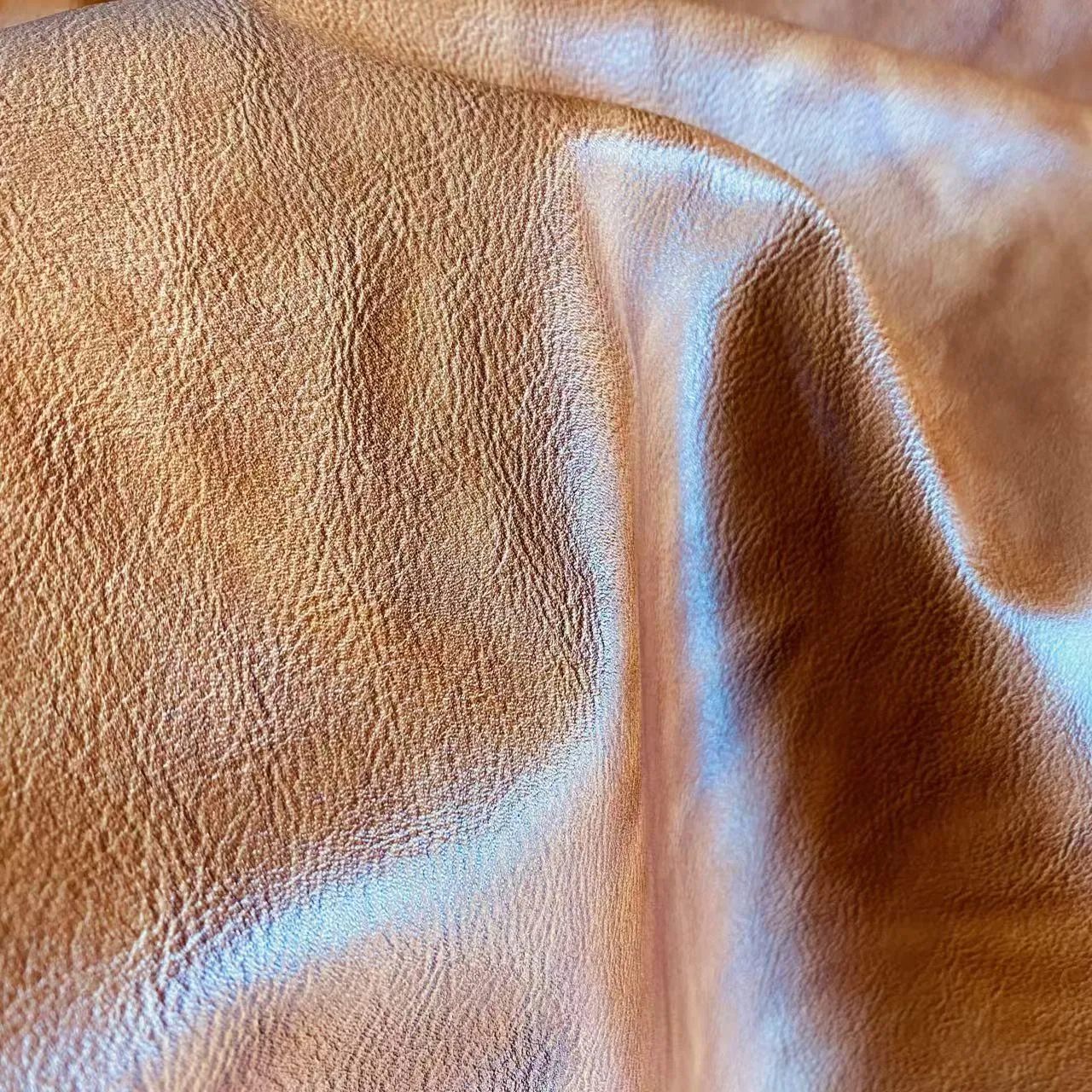
One of the biggest advantages in the genuine leather vs vegan leather discussion is how genuine leather ages over time. High-quality leather develops a natural patina, becoming richer and more attractive with use. Rather than degrading, it evolves—an attribute highly valued in premium bags, footwear, and accessories designed for long-term use.
Vegan leather is designed to mimic the look and feel of real leather without using animal products. It is commonly made from polyurethane (PU), polyvinyl chloride (PVC), or newer plant-based materials such as pineapple fiber, cactus leather, or mushroom mycelium. In the genuine leather vs vegan leather conversation, vegan leather is often positioned as an ethical alternative, especially for consumers who avoid animal-derived materials.
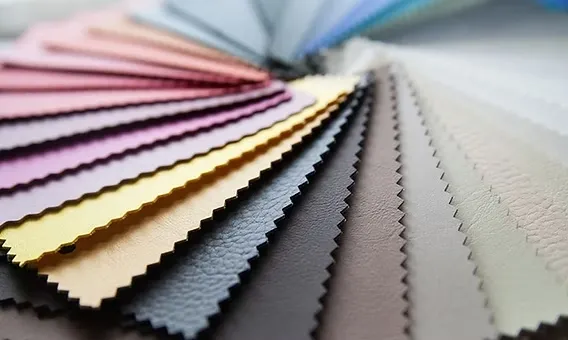
While vegan leather has improved significantly in recent years, its durability varies depending on the material used. PU-based vegan leather is flexible and affordable but may crack or peel over time. New bio-based options show promise, but many are still in early stages of development. Compared to genuine leather, vegan leather often has a shorter lifespan, which remains a key point in the genuine leather vs vegan leather debate.
Genuine leather is a byproduct of the meat industry, which means it utilizes materials that might otherwise go to waste. However, tanning processes can involve chemicals and water-intensive methods if not properly managed. In the genuine leather vs vegan leather comparison, responsibly sourced leather from certified tanneries is increasingly seen as a more sustainable option when durability and longevity are taken into account.
Vegan leather is often marketed as eco-friendly, but this is not always the case. Many synthetic vegan leathers are petroleum-based and difficult to recycle. While plant-based innovations are gaining attention, scalability and durability remain challenges. This complexity makes sustainability one of the most nuanced aspects of the genuine leather vs vegan leather discussion in 2025.
Genuine leather offers unmatched versatility in design. It can be embossed, dyed, stitched, and molded while retaining strength and character. Designers appreciate how leather responds to craftsmanship, making it easier to create structured bags, soft silhouettes, and timeless styles. In the ongoing genuine leather vs vegan leather debate, this design adaptability continues to favor genuine leather in premium collections.
Vegan leather excels in consistency. Because it is manufactured, color and texture can be tightly controlled, which appeals to brands seeking uniformity across large production runs. However, it often lacks the depth and natural variation that designers value in genuine leather. This contrast is central to the genuine leather vs vegan leather choice for both aesthetics and branding.
Generally, vegan leather products are more affordable to produce, making them attractive for entry-level or fast-fashion markets. Genuine leather, due to material and labor costs, is positioned at a higher price point. In the genuine leather vs vegan leather comparison, price often determines target audience and perceived value.
While genuine leather products cost more upfront, their long lifespan often justifies the investment. Buyers looking for long-term use frequently ask which leather is best for bags, and the answer often depends on balancing durability, design intent, and customer expectations. This long-term value perception gives genuine leather an edge in premium and heritage-focused brands.
Ethical considerations play a major role in material selection. Vegan leather appeals to consumers concerned about animal welfare, while genuine leather brands increasingly emphasize traceability and responsible sourcing. The ethical dimension adds depth to the genuine leather vs vegan leather discussion beyond material performance alone.
In 2025, successful brands clearly communicate why they choose certain materials. Whether focusing on craftsmanship, sustainability, or innovation, aligning material choice with brand identity is crucial. The genuine leather vs vegan leather decision ultimately reflects a brand’s values as much as its design goals.
There is no universal answer when comparing genuine and vegan leather. Designers should consider product lifespan, usage scenarios, and customer expectations. For luxury, durability, and timeless appeal, genuine leather remains strong. For trend-driven, ethical-focused collections, vegan leather may be suitable. Understanding genuine leather vs vegan leather helps ensure the right choice for each product line.
As technology evolves, the gap between genuine and vegan leather may continue to narrow. Hybrid solutions, improved tanning methods, and advanced bio-materials are shaping the future. For now, informed decision-making in the genuine leather vs vegan leather debate is the key to building products that succeed in both performance and perception.