

-
Products
 ProductsExperience the best selection at Baliya. Our leather bags and goods exude quality and charm. Inquire now for exclusive deals and custom quotes!
Leather bags are timeless accessories that blend functionality and style, but their longevity depends entirely on proper maintenance. Many bag owners love the way leather ages—developing a unique patina over time—but without the right care, even high-quality leather can crack, fade, or lose its luster. That’s why understanding how to care for leather bags is essential, whether you own a sleek tote, a rugged backpack, or a classic satchel. As a leather manufacturer with years of experience, we’re sharing practical tips to keep your leather bags looking their best for years to come.
Before diving into care routines, it’s crucial to stock up on the right tools and products—using the wrong ones can do more harm than good. Leather is a porous material, so harsh chemicals or abrasive tools will damage its surface.
Opt for soft, lint-free microfiber cloths (avoid paper towels, which can scratch) and a soft-bristled brush (like a clean makeup brush or a dedicated leather brush). These tools gently lift dirt and dust without abrading the leather. For hard-to-reach areas, such as stitching or hardware crevices, a small, soft toothbrush works well. Remember, these basic tools are the first step in mastering how to care for leather bags, as they prevent surface damage during cleaning.
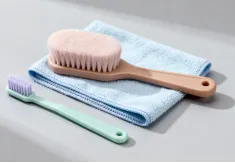
Choose pH-neutral leather cleaners—avoid products with alcohol, ammonia, or strong fragrances, as they dry out leather. For conditioning, use pure leather care oil (such as mink oil or beeswax-based conditioners) or a leather cream that matches your bag’s color (test on a hidden spot first to avoid discoloration). These products replenish the leather’s natural oils, keeping it supple. Never use shoe polish on bags, as it’s too heavy and can stain lighter leather.
The difference between a well-cared-for leather bag and a neglected one is striking. Let’s break down how care routines transform a bag’s appearance, texture, and durability over time.
A leather bag that’s not cared for will show signs of wear quickly. Dust and dirt build up on the surface, making the leather look dull. Spills (like coffee or rain) that aren’t cleaned immediately can leave permanent stains. Over time, the leather dries out, leading to cracks—especially in high-tension areas like handles or straps. A neglected leather backpack, for example, might lose its shape, and the zippers could stick due to dirt buildup. This is why how to care for leather bags isn’t just about aesthetics—it’s about preserving functionality.
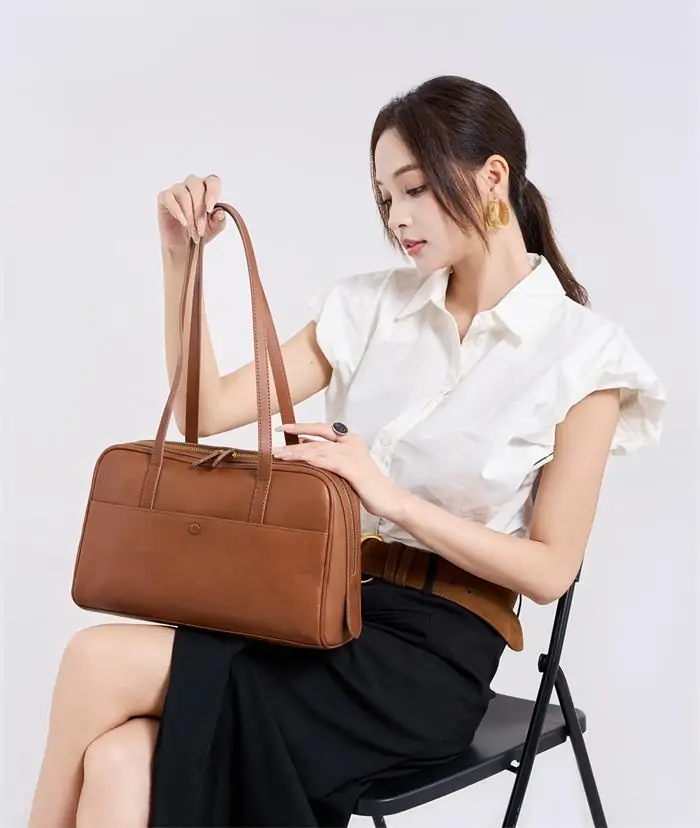
With regular care, a leather bag ages beautifully. After cleaning, the leather regains its original color and shine; conditioning keeps it soft to the touch, preventing cracks. Stains are minimized, and the bag retains its shape. A well-cared-for leather bag can even become more valuable over time, as the patina (a subtle, natural glow) deepens. For instance, a brown leather tote that’s cleaned monthly and conditioned every three months will look richer and more unique than one that’s left untouched.
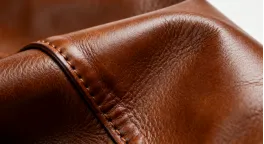
Proper storage is just as important as daily cleaning when it comes to how to care for leather bags, and learning how to store leather bags correctly can prevent long-term damage that’s hard to reverse. Storing a leather bag incorrectly can lead to mold, discoloration, or permanent creases—issues that even regular cleaning can’t always fix.
When figuring out how to store leather bags, the first rule is to prioritize a cool, dry space with good ventilation. Avoid direct sunlight (it fades leather) and damp areas (like basements or bathrooms, which cause mold). The ideal temperature is between 15–25°C (59–77°F), and humidity should stay around 40–60%. Never store leather bags near heaters or air conditioners, as extreme temperatures dry out the material and break down its natural fibers.

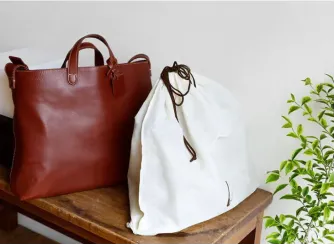
First, clean the bag thoroughly (follow the steps in Section 1) to remove dirt or spills—stains set in faster when the bag is stored, so this pre-storage step is non-negotiable for effective how to store leather bags practices. Next, stuff the bag with acid-free tissue paper or a clean cotton towel to maintain its shape; avoid newspaper (ink transfers) or plastic bags (they trap moisture). Then, cover the bag with a breathable cotton dust bag (most high-quality bags come with one); never use plastic wrap, as it prevents air circulation and can lead to mold growth. Finally, place the bag on a shelf or hook—avoid stacking heavy items on top of it, as this causes creases that may become permanent.
Leather backpacks are popular for their durability, but many owners wonder: can you wash a leather backpack? The short answer is no—you should never fully submerge a leather backpack in water, as this destroys the leather’s natural oils and causes it to shrink or crack.
Instead of washing, spot-clean your leather backpack when it gets dirty. For light dirt, wipe the surface with a damp (not wet) microfiber cloth. For tougher stains (like oil or food), mix a small amount of pH-neutral leather cleaner with water, dip a cloth in the solution, wring it out thoroughly, and gently blot the stain—never rub, as this spreads the stain. After spot-cleaning, wipe the area with a dry cloth and let the backpack air-dry completely (away from direct heat). Once dry, apply a small amount of leather conditioner to keep the material supple.
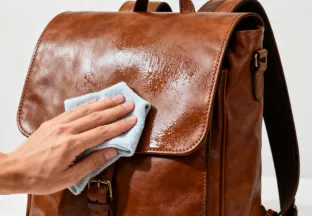
To reduce the need for frequent spot-cleaning, treat your leather backpack with a water-repellent spray (choose one designed for leather) every 3–6 months. This creates a protective barrier against light rain and spills. Also, avoid placing your backpack on dirty surfaces (like the floor of a café) and wipe it down with a dry cloth at the end of each day to remove dust.
Caring for leather bags doesn’t have to be complicated—with the right tools, consistent routines, and proper storage, you can keep your leather accessories looking new for years. Remember, how to care for leather bags is about small, regular steps: cleaning with gentle tools, conditioning to keep leather soft, storing in a suitable environment (following how to store leather bags best practices), and avoiding harsh treatments like washing. By following these tips, you’ll not only extend your bag’s lifespan but also let it develop that beautiful, unique patina that makes leather so special.