


-
Products
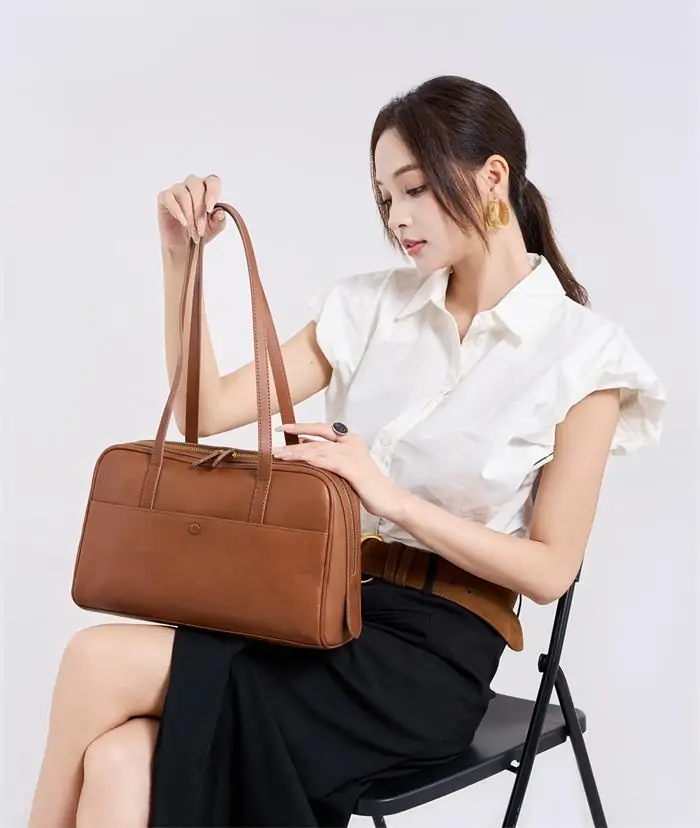 ProductsExperience the best selection at Baliya. Our leather bags and goods exude quality and charm. Inquire now for exclusive deals and custom quotes!
Shopping for a quality leather bag can feel overwhelming. Walk into any store, and you'll be bombarded with terms like "genuine leather," "premium hide," and "top-grain." But what do these really mean? The secret to choosing a bag that will last for years lies in understanding the leather's grain. The different leather grain types determine not just the bag's look and feel, but its very soul—how it will age and the stories it will tell. Getting to know the core leather grain types is the first step to finding a bag you'll truly love.
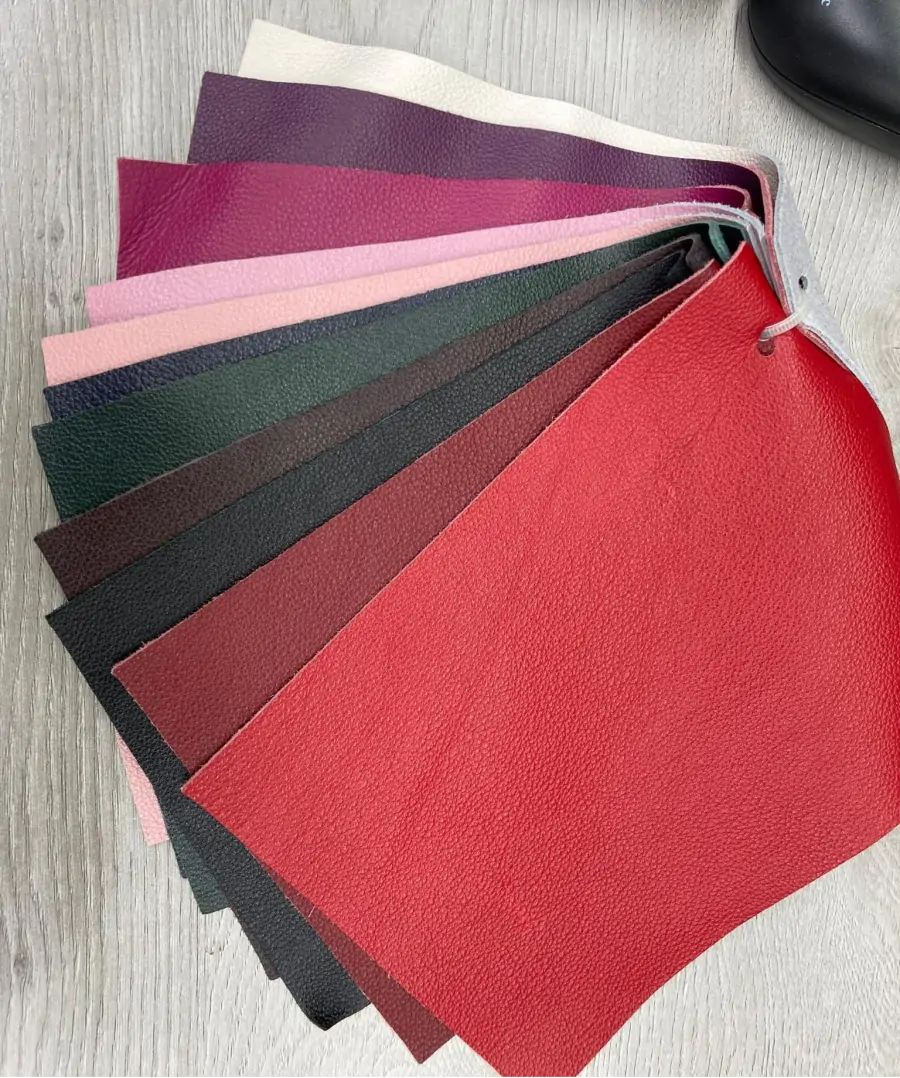
Think of leather grain as the skin's fingerprint. It's the original, outermost surface of the hide, complete with all the natural markings life left behind: pores, wrinkles, and even the occasional scar. This grain layer isn't just for show; it's where the leather fibers are tightest and strongest. For a bag that gets daily use, the type of grain is everything. It's the difference between a bag that falls apart in a year and one that, a decade later, looks better than the day you bought it.
This is the crème de la crème. Full-grain leather is the complete, untouched hide. Nothing is sanded away or removed (beyond the hair, of course). It's left in its purest, most natural state with all its unique imperfections and texture.
You'll find full-grain leather used by heritage brands and artisans who prioritize longevity over flawless appearance.

Top-grain leather is the most common type found in quality bags. To create it, the outermost layer of the full-grain is lightly sanded to create a more consistent look. It's then finished with a protective coating.

Not all hides are perfect. Some have significant scars that make them unsuitable for higher-grade leather. These hides are heavily sanded down, then an artificial grain pattern is embossed onto the surface with a thick protective coat.
What Bag Buyers Should Know:
The advantage is affordability and consistency. The disadvantage? That perfection is superficial. The coating can crack or peel over time, and the bag will never develop a natural patina. When comparing top grain vs corrected grain leather, you're looking at a noticeable difference in quality. A top-grain leather satchel will age gracefully, while in the top grain vs corrected grain leather comparison, the latter will show wear through scuffs and peeling rather than developing character.
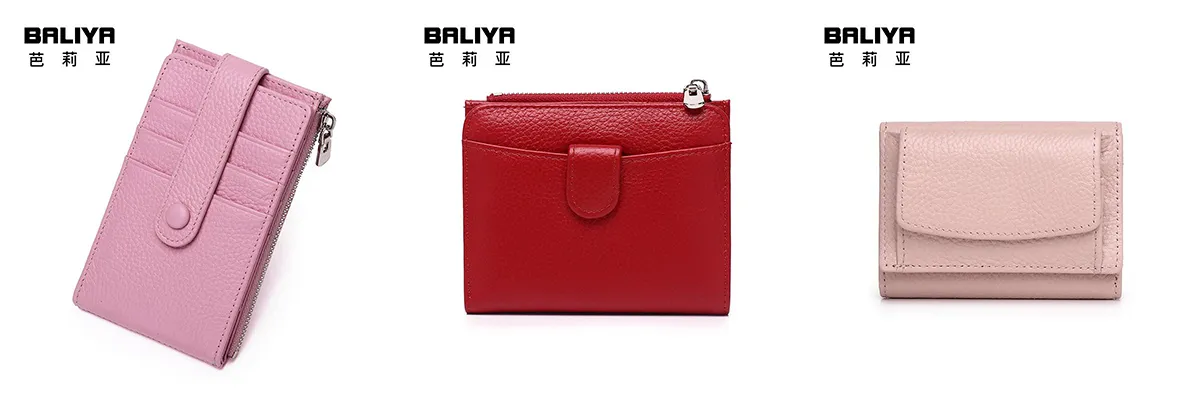
Let's examine how these grains perform in daily use:
This practical difference is crucial in both the top grain vs full grain leather consideration and any top grain vs corrected grain leather evaluation.
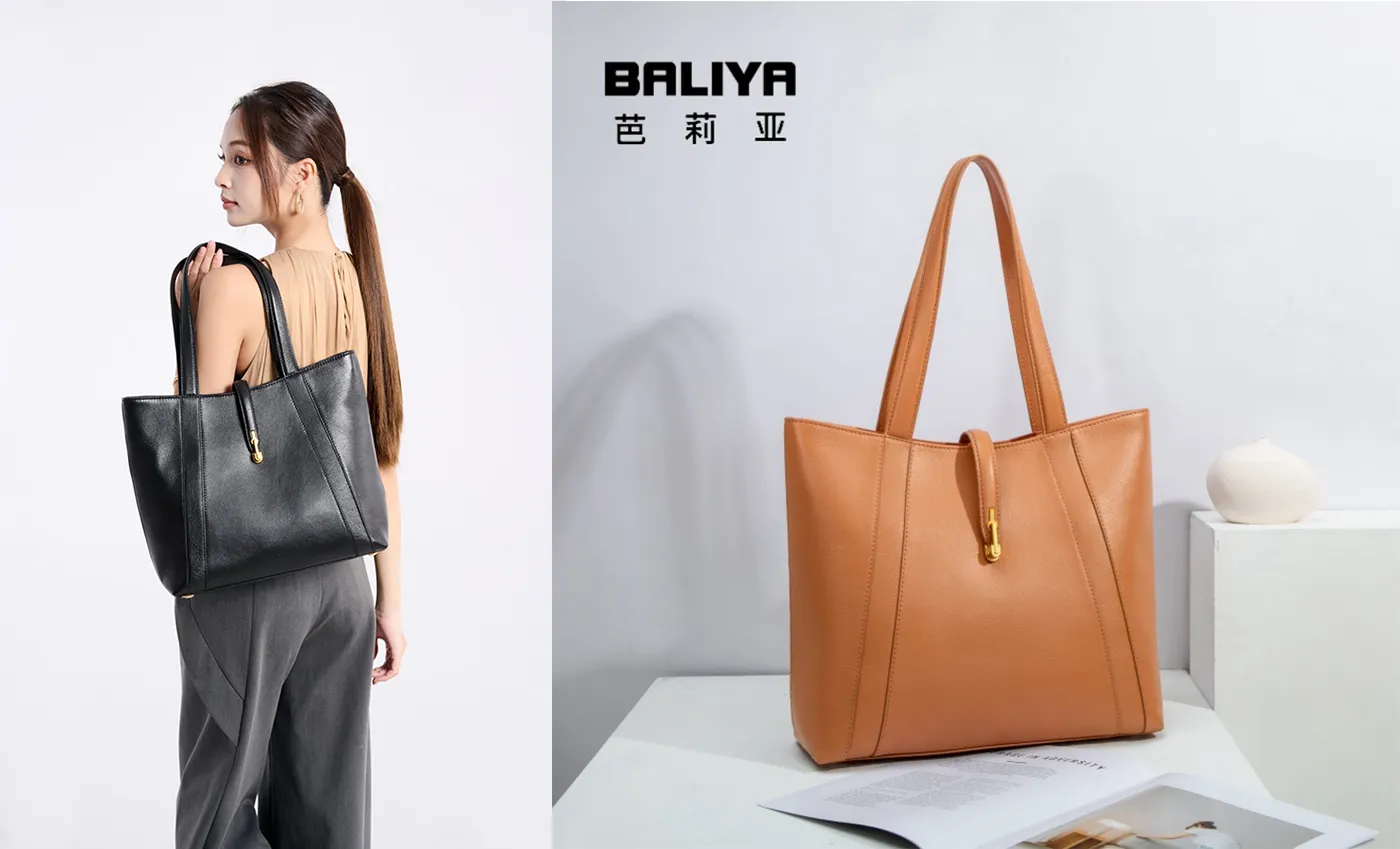
Selecting the right leather comes down to your needs and priorities. Need a briefcase that will last a career? Invest in full-grain. Want an elegant, easy-care handbag? Top-grain leather is perfect. The discussion of top grain vs full grain leather is about matching the material to your lifestyle. On a budget but love the leather look? A corrected-grain bag might work, but understand the trade-offs in the top grain vs corrected grain leather comparison. Remember to ask about the grain—your future self will thank you when you're still carrying a beautiful, aging-well bag years from now.