


-
Products
 ProductsExperience the best selection at Baliya. Our leather bags and goods exude quality and charm. Inquire now for exclusive deals and custom quotes!
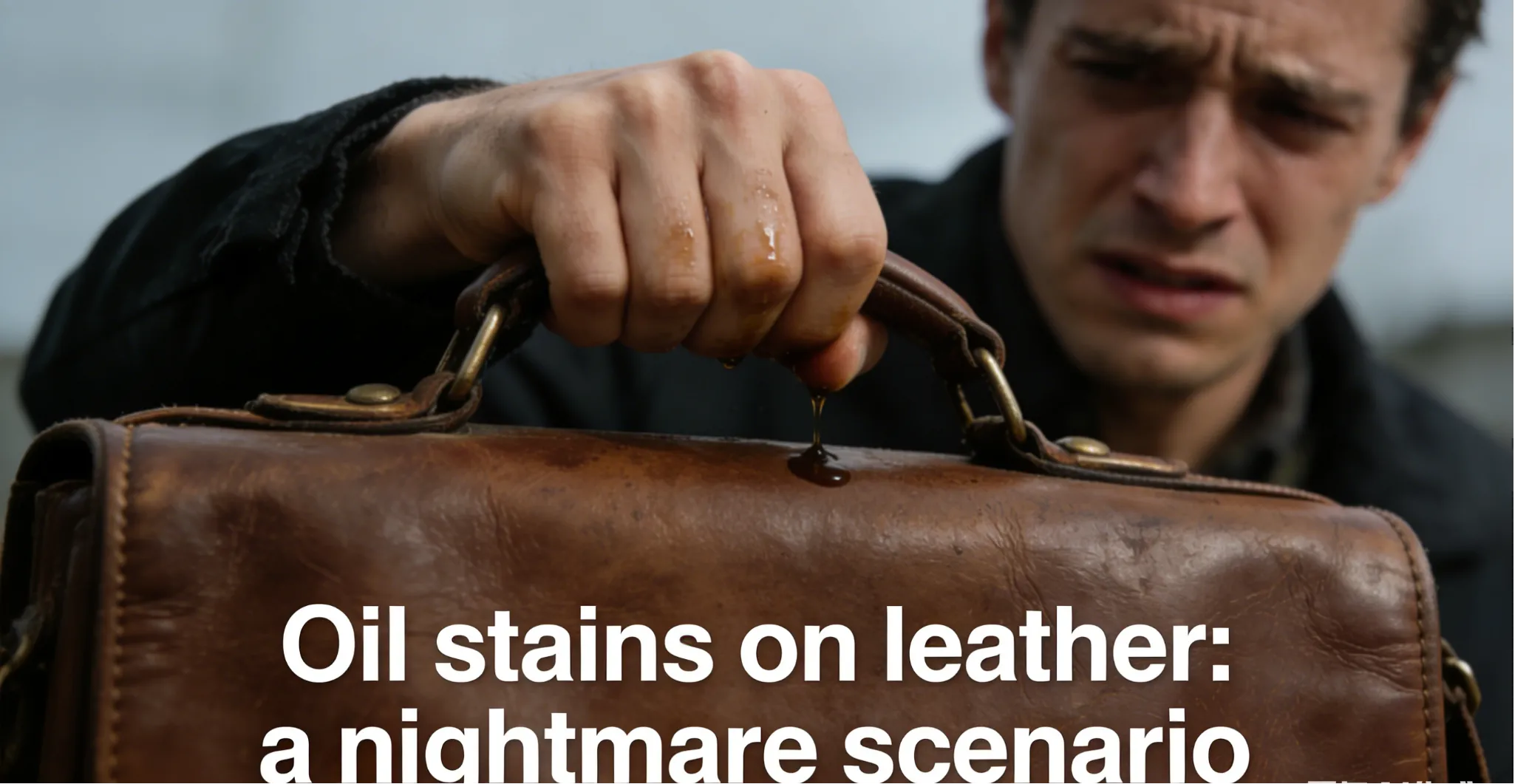
Discovering an oil stain on your beloved leather bag can feel like a nightmare. Whether it's from a dab of hand cream, a greasy lunch, or an accidental spill, these stubborn marks can diminish your bag's appearance and value. Knowing how to remove oil stain from leather is crucial for any leather owner. This guide will not only address that specific challenge but also equip you with holistic care knowledge to keep your investment looking pristine for years. Learning the proper methods for how to remove oil stain from leather can mean the difference between permanent damage and a full restoration.
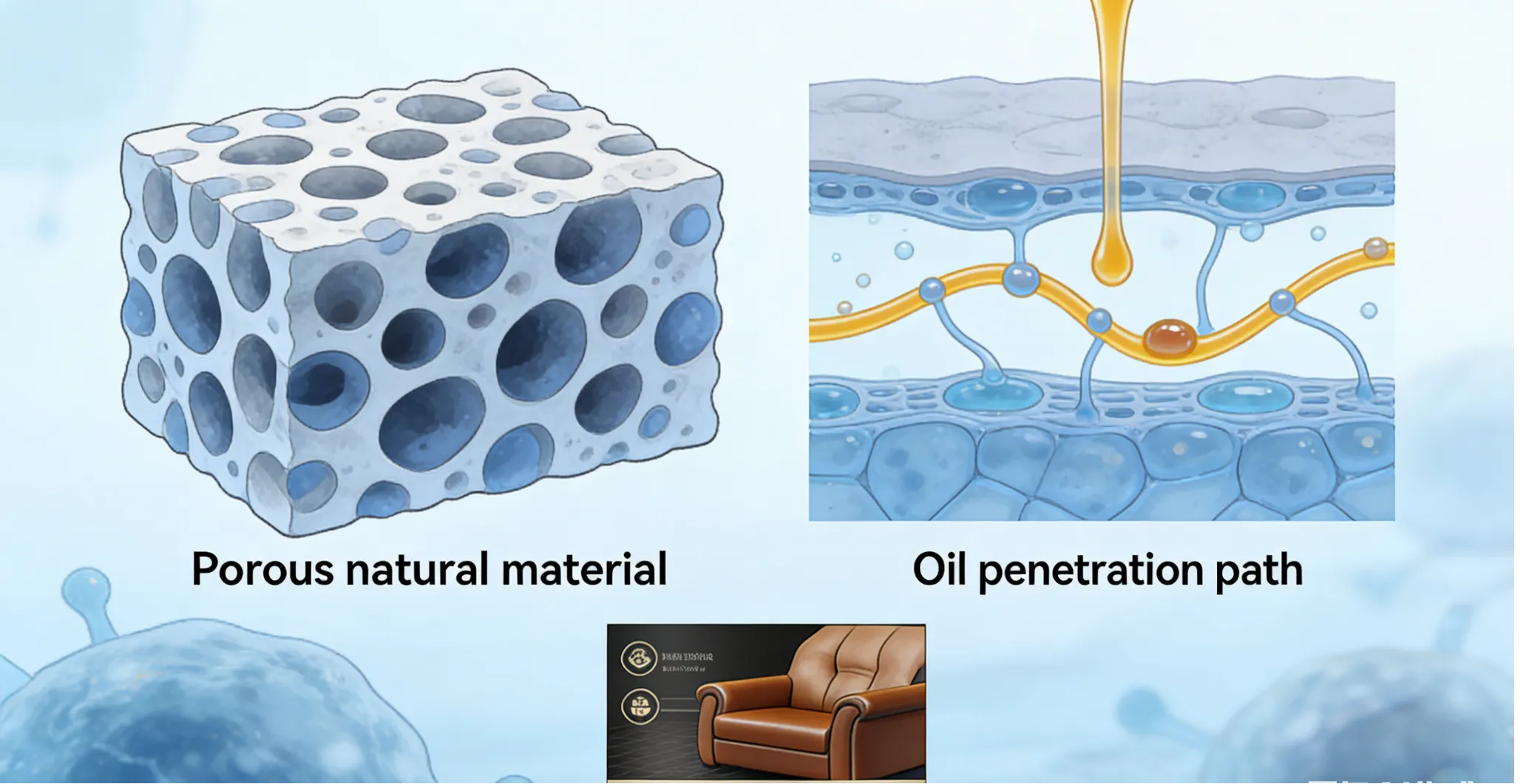
Before diving into solutions, it’s essential to understand why leather and oil don't mix well. Leather is a porous, natural material. When oil penetrates its surface, it doesn't just sit on top; it soaks in, breaking down the natural fibers and dyes. This can lead to a permanent dark spot that attracts more dirt and can weaken the material over time. This is why immediate and correct action is so vital. The approach also varies depending on whether your bag is made of finished (protected) or unfinished (aniline) leather, which we will explore in our cleaning sections.
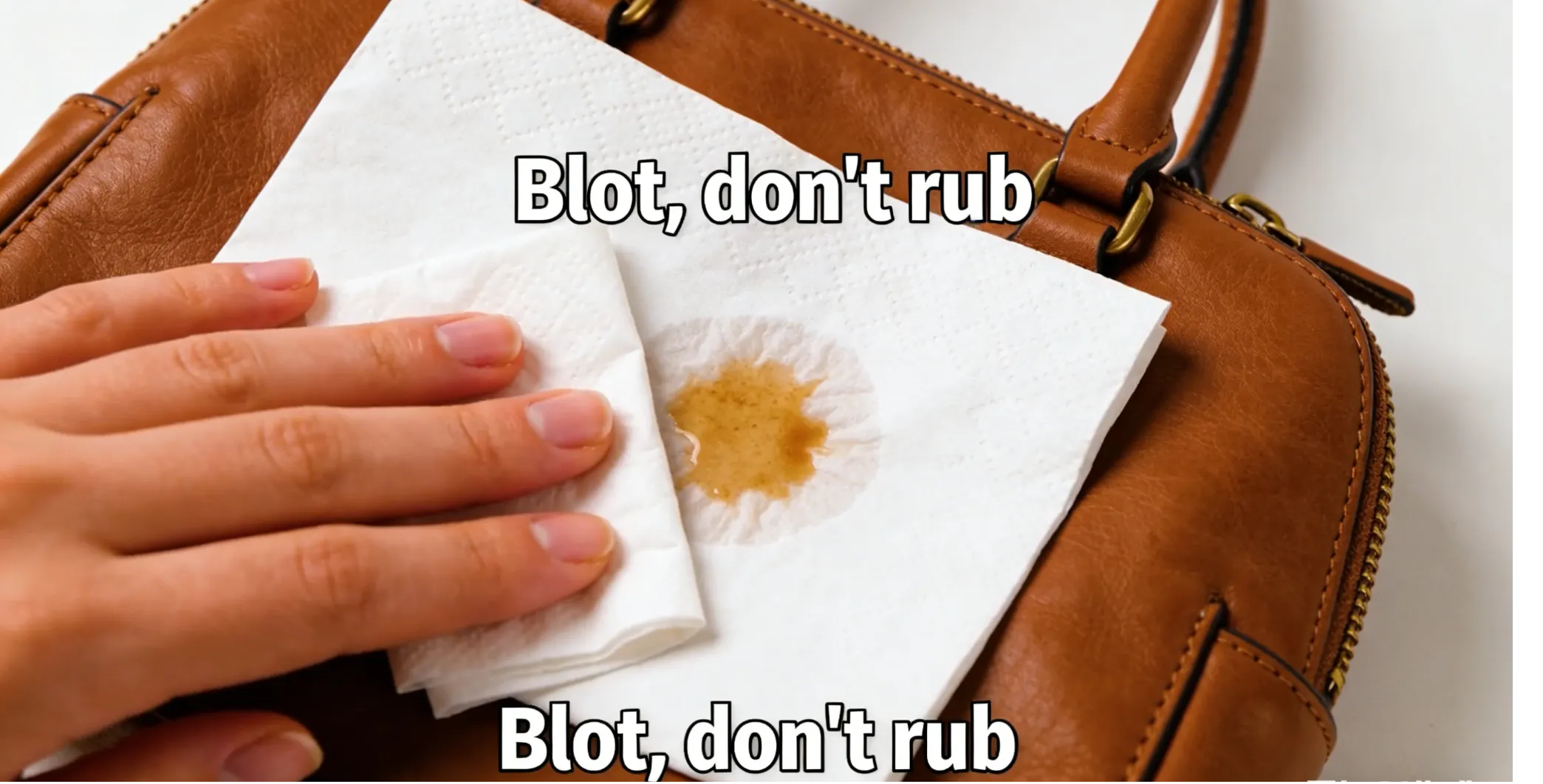
Time is of the essence when dealing with grease or oil. Your first steps can prevent the stain from setting.
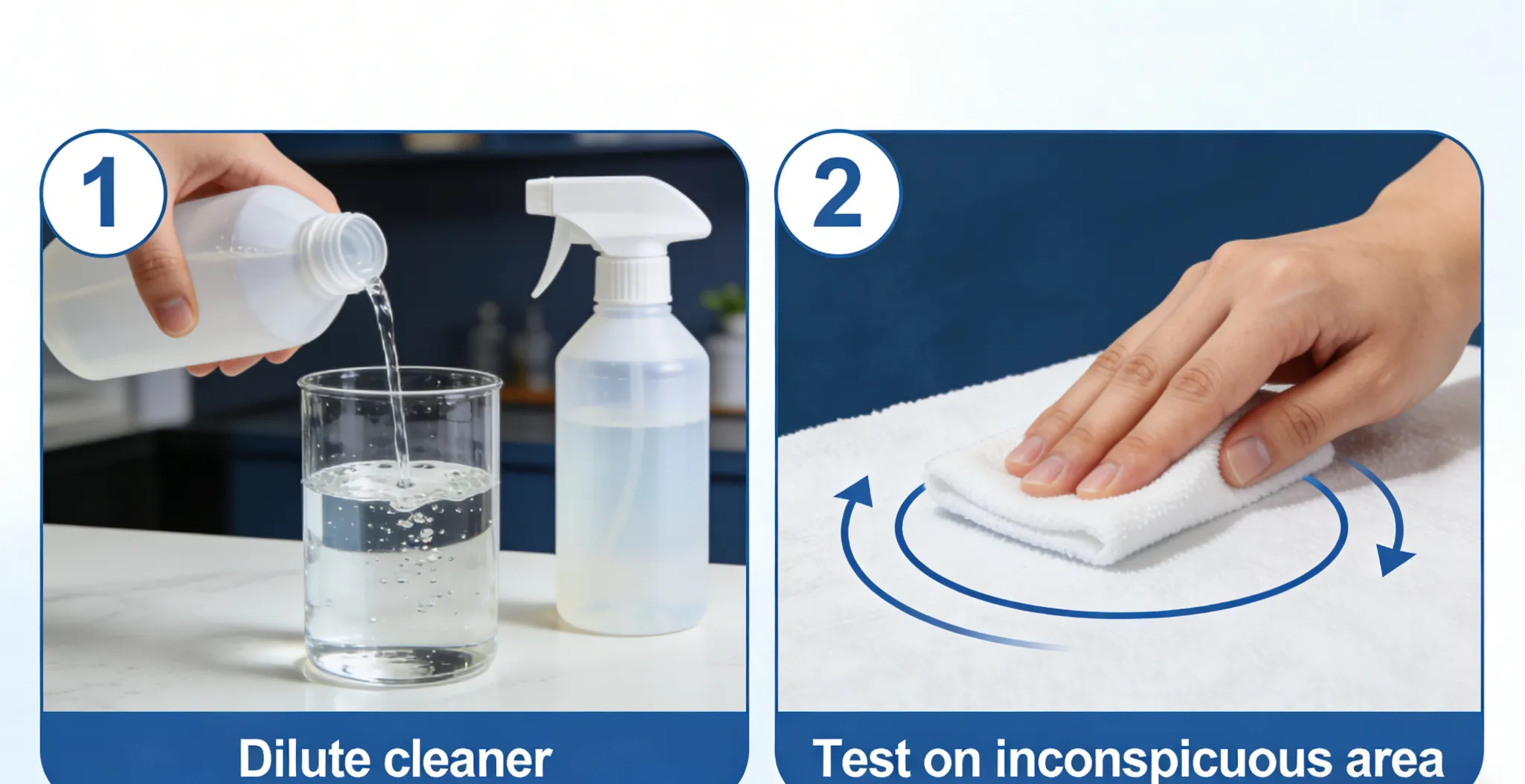
If the stain persists after the first aid, a more targeted cleaning is needed. Always test any cleaner on an inconspicuous area first, like the back of a strap or inside a pocket.
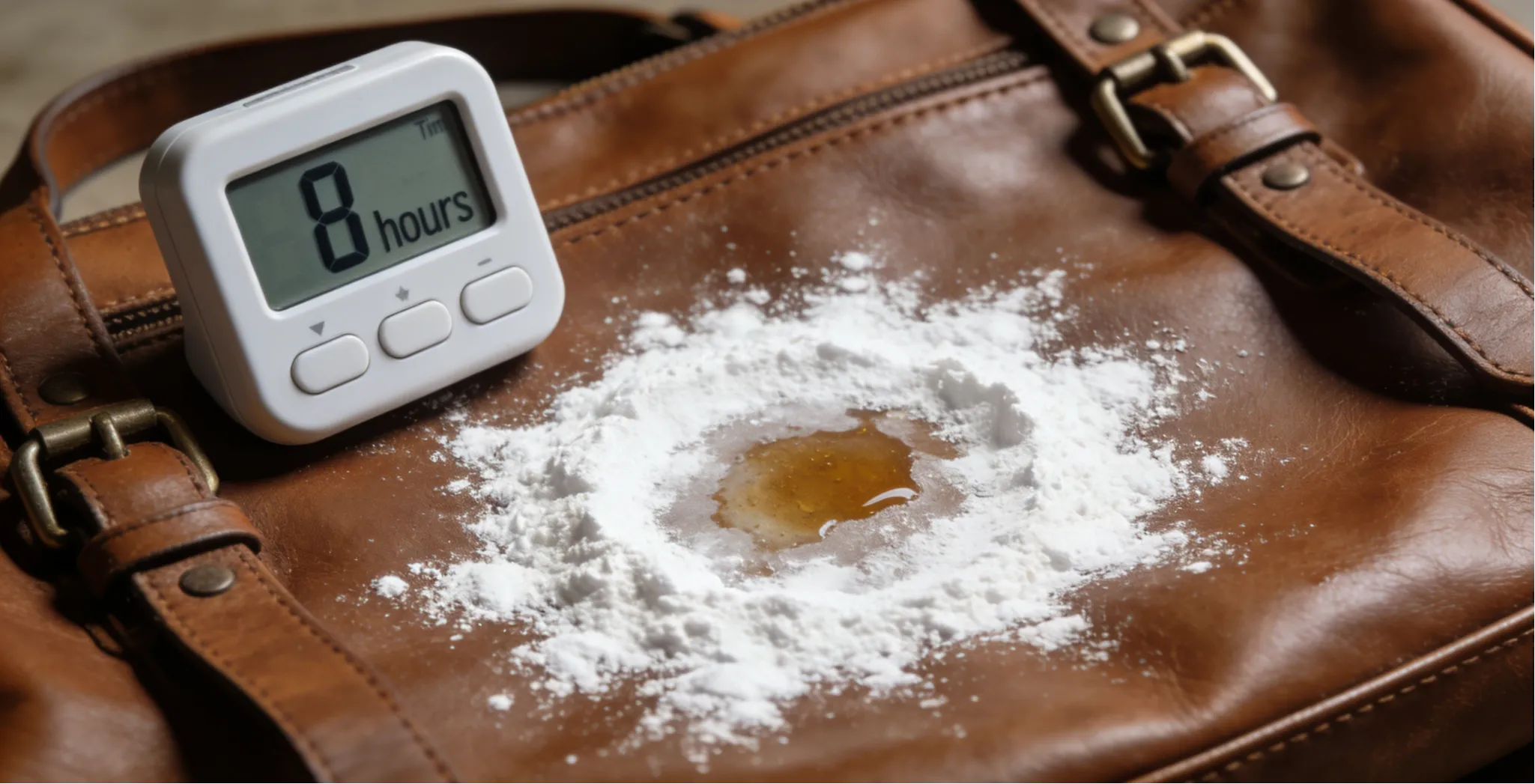
Finished leather has a protective coating, making it more forgiving.
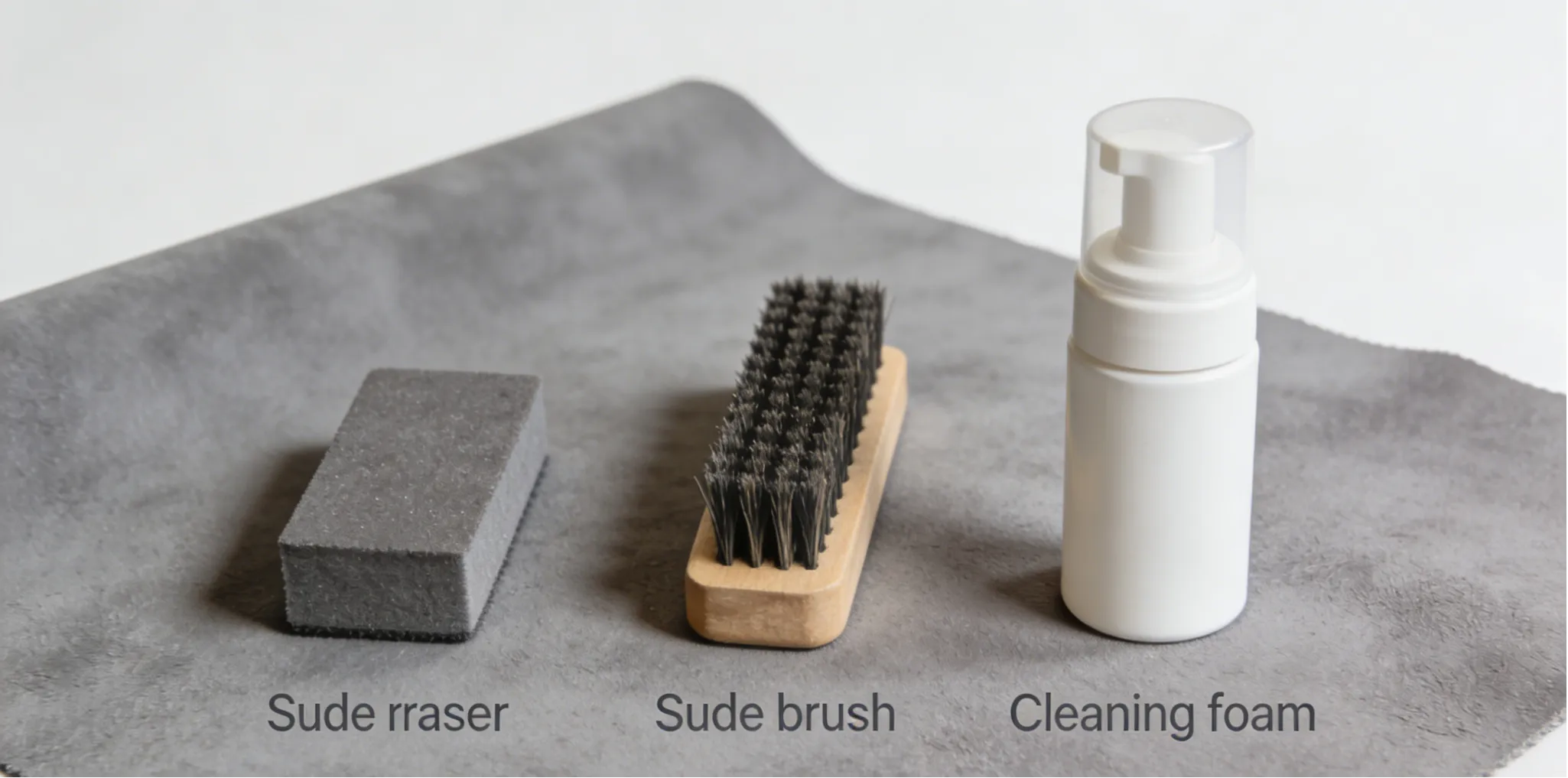
These delicate materials require a gentler touch.
Beyond oil, leather bags face other threats. A comprehensive care routine prepares you for all scenarios.
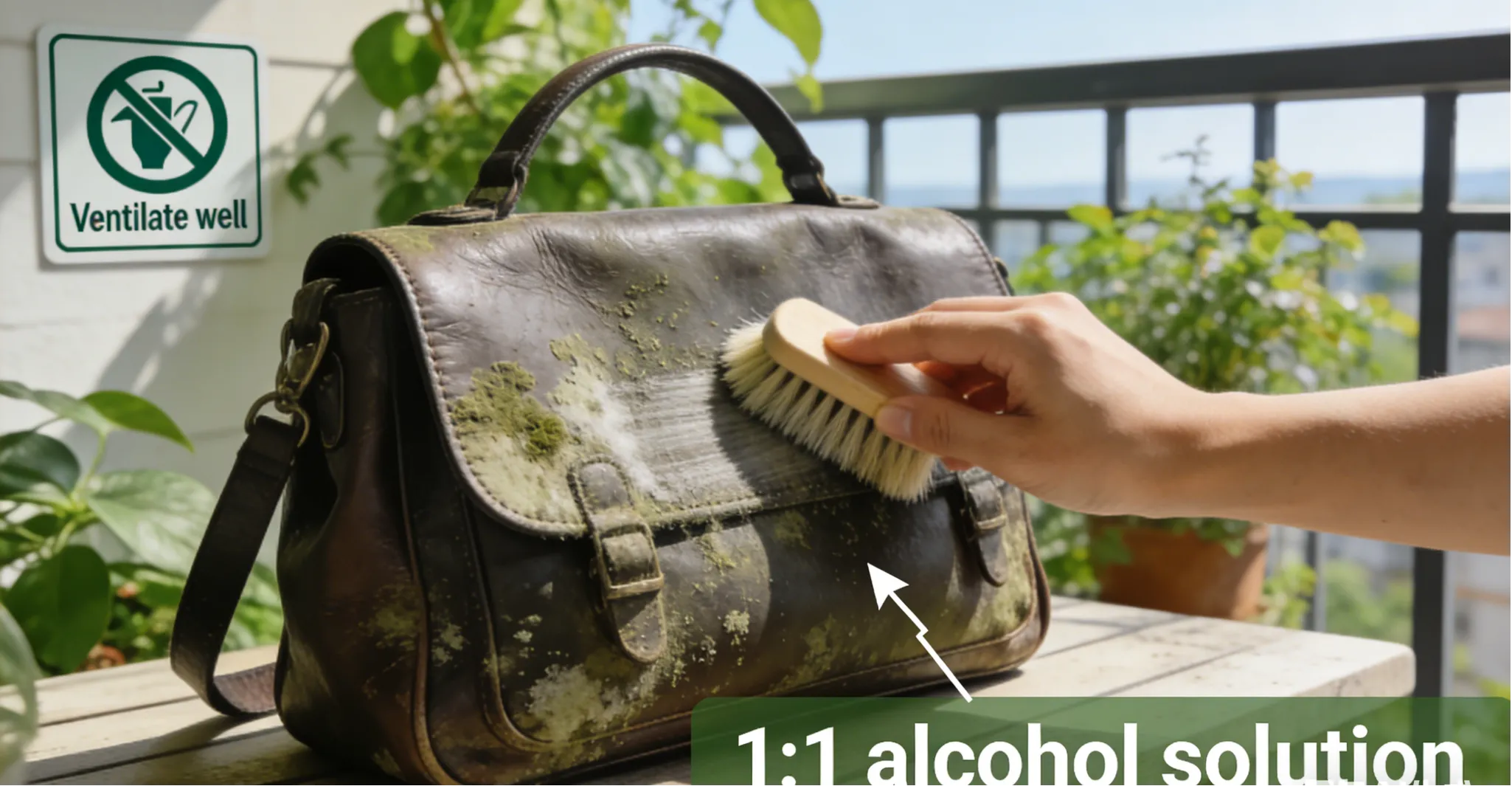
Finding fuzzy spots on your bag is alarming. How to clean mold on leather bag safely is critical, as improper methods can worsen the damage. First, take the bag outside to prevent spore spread. Gently brush off the dry mold with a soft brush. Then, using a 1:1 solution of water and isopropyl alcohol (test first!), lightly dab the affected area. Allow it to dry completely in a well-ventilated space. For severe cases, consulting a professional is wise. Knowing how to clean mold on leather bag is essential, especially if you live in a humid climate.
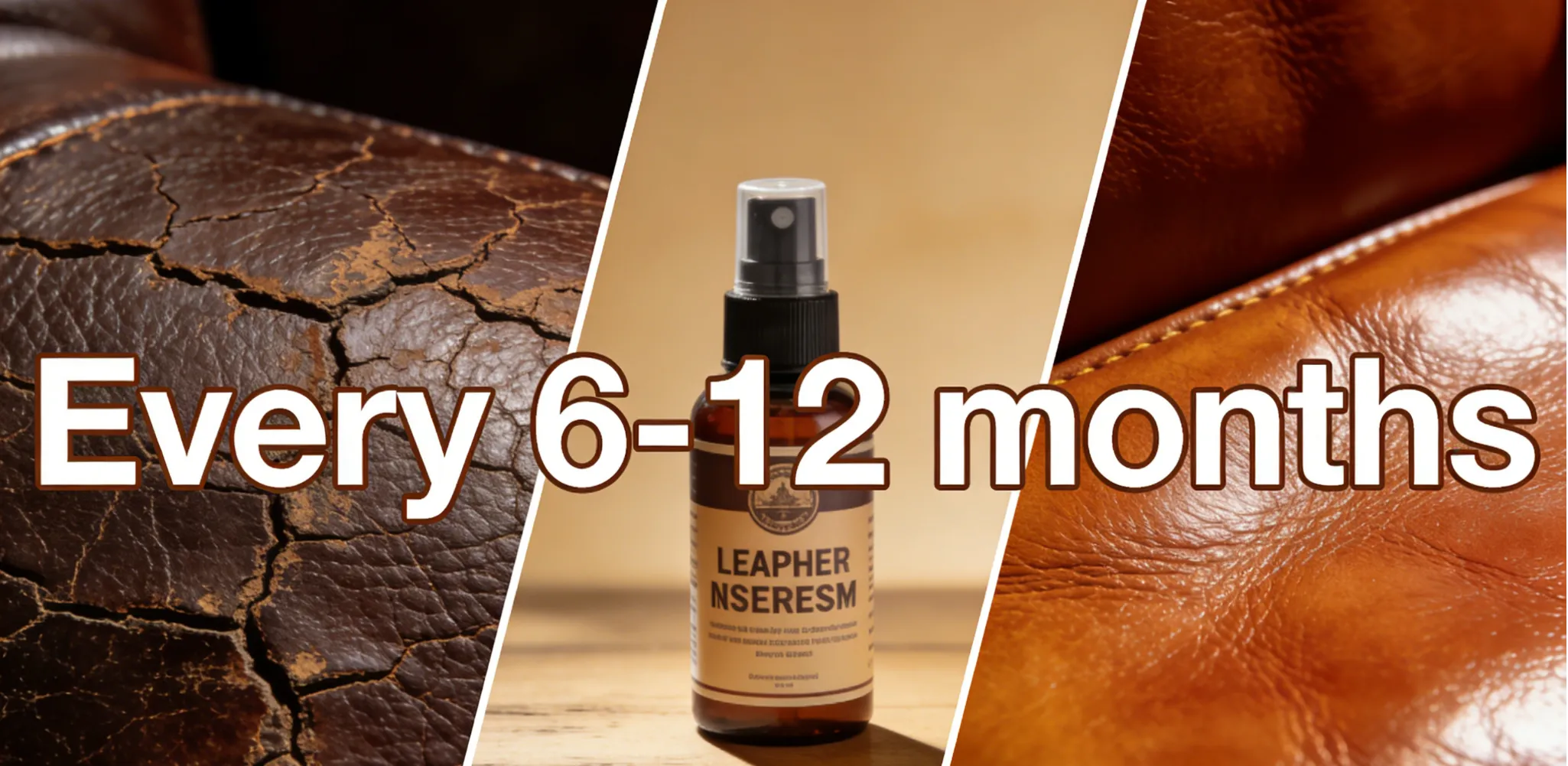
Proactive care prevents most issues. This involves regular dusting, using leather conditioner every 6-12 months, and storing your bag in a breathable dust bag—never plastic, as this traps moisture and can lead to mold. Understanding how to care for leather bags through consistent maintenance is the best way to preserve their beauty and functionality.
Some situations demand expert hands. If the oil stain is large, very dark, or on a highly valuable or delicate bag (like vintage or exotic leather), professional restoration is the safest investment. Professionals have industrial-grade tools and techniques to extract oil and redye leather without causing harm. Similarly, if your attempt at how to clean mold on leather bag isn't successful, a professional can salvage the piece before the damage becomes irreversible.
Your leather bag is an investment in style and craftsmanship. An oil stain doesn't have to be its end. By mastering the techniques for how to remove oil stain from leather, you can tackle accidents with confidence. Furthermore, integrating broader knowledge—from how to care for leather bags with regular conditioning to knowing how to clean mold on leather bag—empowers you to protect your accessory from all of life's mishaps. Consistent, knowledgeable care not only maintains the bag's luxurious look and feel but significantly enhances its longevity and resale value. Treat your leather well, and it will serve as a timeless companion for decades to come.