

-
Products
 ProductsExperience the best selection at Baliya. Our leather bags and goods exude quality and charm. Inquire now for exclusive deals and custom quotes!
When standing in a boutique or scrolling through an online store, the allure of a well-crafted leather bag is undeniable. Yet, many shoppers find themselves stymied when faced with the array of options, unsure of which leather bag material will best suit their needs—whether for daily commutes, travel, or special occasions. The truth is, the quality of a leather bag hinges not just on its design, but on the raw material that forms its foundation. A glance at a factory’s raw material shelf tells the story: rows of hides in varying textures, colors, and thicknesses, each with unique properties that dictate the bag’s durability, appearance, and even how it ages over time. This guide will demystify the world of leather, helping you navigate the types of materials available and make an informed choice that aligns with your lifestyle.
1. Understanding the Basics: Types of Genuine Leather for Bags
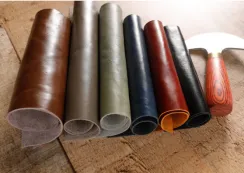
Before diving into comparisons, it’s essential to grasp what constitutes genuine leather and the nuances between its subcategories. Types of genuine leather are primarily distinguished by the part of the hide used and the processing methods applied, and these differences directly impact the performance of your leather bag. A walk through a leather factory’s material storage area reveals how these variations play out in practice: premium hides are often stored separately, protected from dust and moisture, while more processed options are stacked for bulk production.
1.1 Full-Grain Leather: The Pinnacle of Quality
Full-grain leather sits at the top of the hierarchy, crafted from the outermost layer of the hide that retains the natural grain. This layer is dense and resilient, making it resistant to wear and tear. On a factory shelf, full-grain hides are easy to spot—they bear the natural markings of the animal, such as scars or grain variations, which add to their uniqueness. Bags made from this leather bag material develop a rich patina over time, deepening in color and character with use. While it comes with a higher price tag, its longevity makes it a worthwhile investment for those seeking a bag that will last for years.
1.2 Top-Grain Leather: Balanced Durability and Affordability
Top-grain leather is derived from the same outer layer as full-grain but undergoes a sanding process to remove imperfections, resulting in a smoother, more uniform surface. This makes it a popular choice for brands aiming for a polished look without the premium cost. In factory settings, top-grain hides are often treated with a protective finish to enhance water resistance, a feature that appeals to everyday users. While it doesn’t develop the same pronounced patina as full-grain, it remains a durable leather bag material that balances quality and accessibility.

1.3 Corrected-Grain and Split Leather: Budget-Friendly Alternatives
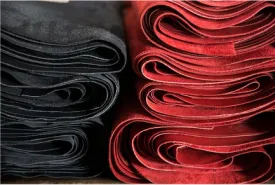
Corrected-grain leather is made from lower-quality hides that are sanded and embossed to mimic the appearance of full-grain or top-grain leather. Split leather, on the other hand, comes from the inner layers of the hide, which are thinner and less durable. These options are more affordable and commonly used in mass-produced bags. On a factory shelf, they are typically grouped by color and embossed pattern, as their natural characteristics are less prominent. While they serve a purpose for budget-conscious shoppers, they tend to wear out faster and may not hold up as well to heavy use.
2. Comparing Leather Bag Materials: Natural vs. Synthetic
Beyond types of genuine leather, another key decision is whether to opt for natural leather or synthetic alternatives like vegan leather. This comparison is often front and center in factory design meetings, as brands weigh the demands of sustainability, cost, and consumer preference. Understanding the pros and cons of each will help you align your choice with your values and needs.
2.1 Natural Leather: Timeless Appeal and Durability
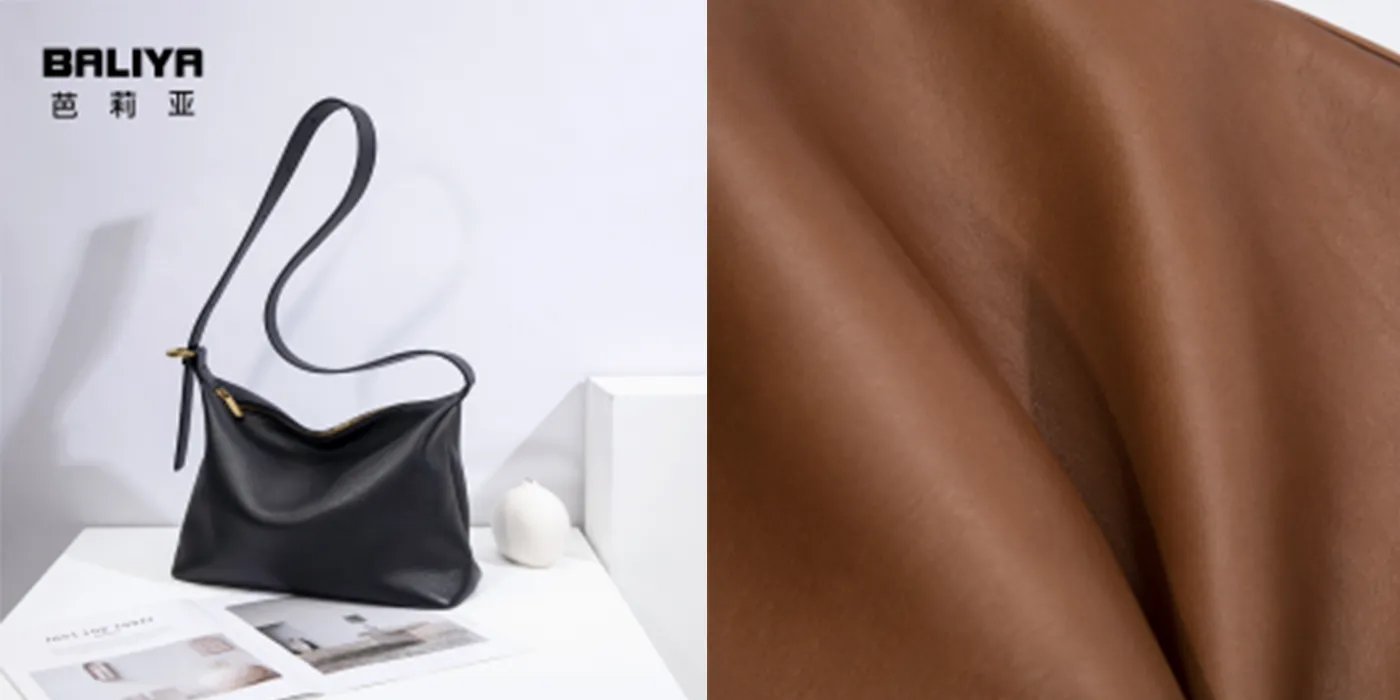
Natural leather’s greatest strengths are its durability and ability to age gracefully. As mentioned, premium varieties like full-grain and top-grain can withstand years of use, adapting to the user’s habits—whether it’s the way you carry the bag or the elements it’s exposed to. Additionally, natural leather is biodegradable, making it a more eco-friendly choice than some synthetic alternatives. However, it requires more care and tends to be more expensive, factors that should be considered when selecting your leather bag material.
2.2 Synthetic Leather: Affordability and Sustainability Myths
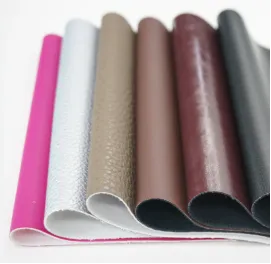
Synthetic leather, such as PVC or PU, is often marketed as a budget-friendly and cruelty-free alternative. It’s easy to clean and maintain, and it can mimic the look of genuine leather at a fraction of the cost. However, it has significant drawbacks: it’s not as durable, often cracking or peeling after a few years of use, and it’s made from petroleum-based materials, which have a larger carbon footprint. In factory settings, synthetic materials are often easier to mass-produce, but they lack the unique character and longevity of natural leather bag material. For those prioritizing sustainability, it’s worth noting that some brands now offer plant-based leather alternatives, though these are still emerging in the market.
3. Extending the Life of Your Bag: How to Care for Leather Bags
Once you’ve selected the perfect leather bag material, proper care is essential to ensure it stays in top condition for years. Leather is a natural material that responds to its environment, so simple maintenance steps can prevent damage and preserve its appearance. Factory experts often emphasize that the care routine depends on the type of leather, but there are universal practices that apply to most genuine leather bags.
3.1 Daily Care Habits
Start with the basics: keep your bag away from direct sunlight and extreme temperatures, as these can cause fading and drying. Avoid overloading the bag, as excessive weight can stretch the leather and weaken seams. If your bag gets wet, gently blot it with a clean, dry cloth—never rub, as this can spread moisture or damage the surface. For everyday dust and dirt, a soft brush or microfiber cloth is sufficient to keep the leather clean. These simple habits are the foundation of how to care for leather bags and require minimal time and effort.
3.2 Periodic Maintenance and Conditioning
Periodic conditioning is crucial for keeping leather supple and preventing cracking. The frequency depends on the leather type: full-grain leather may need conditioning every 3-6 months, while top-grain or corrected-grain leather can go longer. Choose a high-quality leather conditioner that matches your bag’s color, and test it on a small, inconspicuous area first. Apply the conditioner with a clean cloth in circular motions, allowing it to absorb before wiping away any excess. For stains, use a leather cleaner specifically formulated for your leather bag material—avoid harsh chemicals, as they can strip the leather of its natural oils. With proper conditioning, your leather bag will maintain its luster and durability for years.

Choosing the right leather bag material is a decision that balances quality, budget, and lifestyle. By understanding types of genuine leather, comparing natural and synthetic options, and learning how to care for leather bags, you can select a bag that not only looks great but also stands the test of time. Whether you opt for the luxurious patina of full-grain leather or the affordability of top-grain, investing in a quality leather bag is an investment in a accessory that will accompany you through countless moments—each scratch and mark telling a story of your journey.