


-
Products
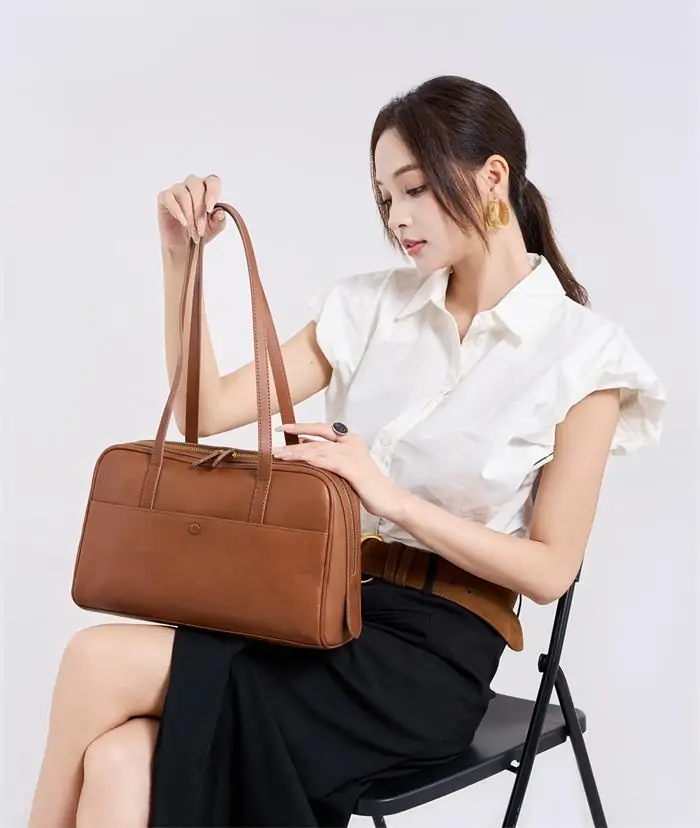 ProductsExperience the best selection at Baliya. Our leather bags and goods exude quality and charm. Inquire now for exclusive deals and custom quotes!
When shopping for a leather bag, the type of leather can make or break your purchase—after all, it affects durability, appearance, and even how the bag ages over time. Yet many shoppers get stuck when choosing between top grain and corrected grain leather, two common options that sound similar but offer very different benefits. To help you make an informed decision, we’re breaking down top grain vs corrected grain leather, focusing on their surface details, how they translate to finished bags, and even how top grain compares to another popular choice: full grain leather.
Before diving into comparisons, it’s essential to answer a key question: what is top grain leather? This type of leather comes from the upper layer of a cowhide, just below the hide’s outermost layer (known as full grain leather). Unlike full grain, which retains every natural mark from the cow’s life, top grain leather undergoes light sanding to remove minor blemishes—think small scratches or vein lines. This process smooths the surface slightly but preserves most of the hide’s natural character, making it a balance between premium texture and practicality.
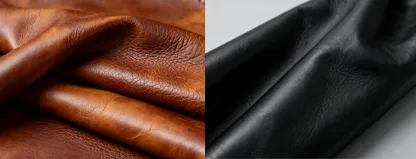
Top grain leather’s surface is defined by subtle, irregular grain patterns—you might notice slight variations in texture across a single bag panel, which is a sign of its natural origin. To the touch, it feels soft and supple, with a slight "give" that becomes more noticeable as the leather breaks in. Over time, it develops a patina (a gentle sheen) that deepens the color, giving bags a unique, personalized look.
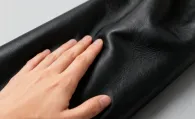
Corrected grain leather is often confused with top grain, but it’s a more processed option designed for consistency and affordability. It’s made from lower-quality hides that have more significant blemishes (like large scars or holes) that can’t be fixed with light sanding.
The production process for corrected grain leather is more intensive. First, the hide is heavily sanded to remove all natural blemishes—this strips away most of the original grain. Next, a thick polyurethane (PU) coating is applied to the surface, and a synthetic grain pattern (often mimicking leather or even exotic materials like crocodile) is pressed into the coating. The result is a uniform surface that hides the hide’s original texture entirely.
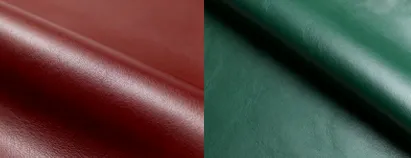
Corrected grain leather has a smooth, consistent surface with no natural variations. The printed grain looks uniform across the entire bag, with no unique marks or texture shifts. To the touch, it feels stiffer than top grain and has a slightly plastic-like finish due to the PU coating. Unlike top grain, it doesn’t develop a patina; instead, the coating may wear thin over time, revealing the less attractive base hide underneath.

Now that we’ve covered each type individually, let’s focus on top grain vs corrected grain leather in terms of surface details and how they perform as finished bags—using real-world "hands-on observations” as a guide.
In terms of finished bags, top grain leather excels at aging gracefully. A top grain tote bag, for example, will soften over months of use, and the color will deepen slightly around handles and corners (the areas that get the most wear). This aging process makes the bag feel more personal.
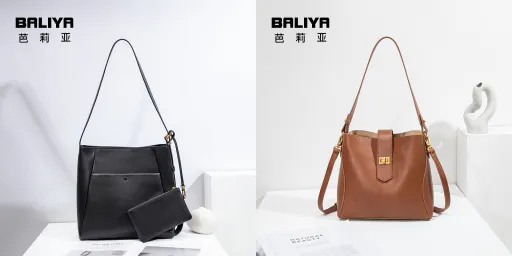
Corrected grain bags, meanwhile, are more durable in the short term. The PU coating resists stains and scratches better than top grain’s thin finish, making them a good choice for everyday use (like a commute bag).
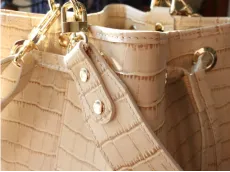
While our focus is on top grain vs corrected grain leather, it’s helpful to touch on top grain leather vs full grain leather—since full grain is often hailed as the "premium" option, and shoppers may wonder how it fits in.
It depends on your priorities. If you want a bag that’s a true investment (and don’t mind some natural marks), full grain is great. But if you want a balance of natural texture, durability, and easy care, top grain is the better choice. Corrected grain, meanwhile, is best for budget-friendly bags that you don’t plan to keep for years.
To decide between top grain and corrected grain leather bags, ask yourself three questions:
• Do you value natural character? If yes, go with top grain—its unique texture and patina will make your bag one-of-a-kind.
• Do you need a low-maintenance bag? If you use your bag daily (for work, travel, etc.), corrected grain’s stain-resistant coating might be more practical.
• What’s your budget? Corrected grain bags are usually 30-50% cheaper than top grain. If you’re on a tight budget but want the look of leather, corrected grain works—but if you can spend a little more, top grain offers better long-term value.
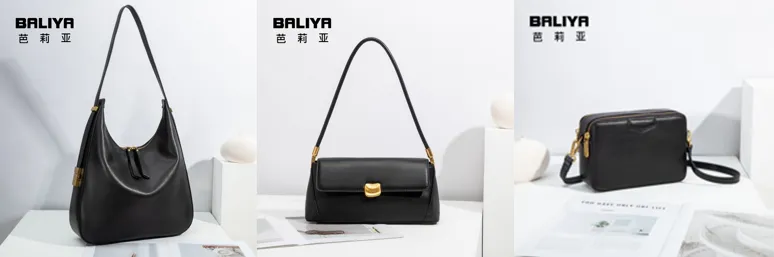
At the end of the day, top grain vs corrected grain leather isn’t about "one being better than the other"—it’s about which fits your lifestyle and preferences. Top grain leather shines for those who want natural texture, a personalized patina, and a bag that ages beautifully. Corrected grain leather is a solid choice for shoppers prioritizing affordability, stain resistance, and uniform appearance. By understanding their surface details, production processes, and how they perform as finished bags, you can pick a leather bag that you’ll love using for years to come.