


-
Products
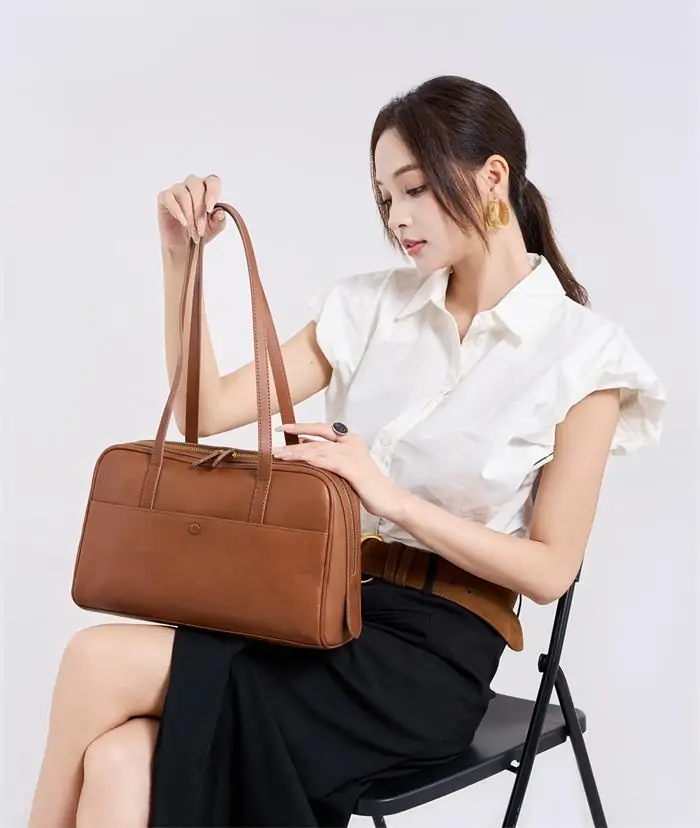 ProductsExperience the best selection at Baliya. Our leather bags and goods exude quality and charm. Inquire now for exclusive deals and custom quotes!
Leather bags are timeless accessories, yet their elegant structure can deteriorate over time if not properly cared for. Whether you own a classic tote or a sleek satchel, learning how to maintain the shape of a leather bag is essential for preserving its beauty and functionality for years to come. This guide will outline essential habits for daily use and storage, as well as delve into how to care for leather bags and the role that the material plays in shaping your maintenance routine.
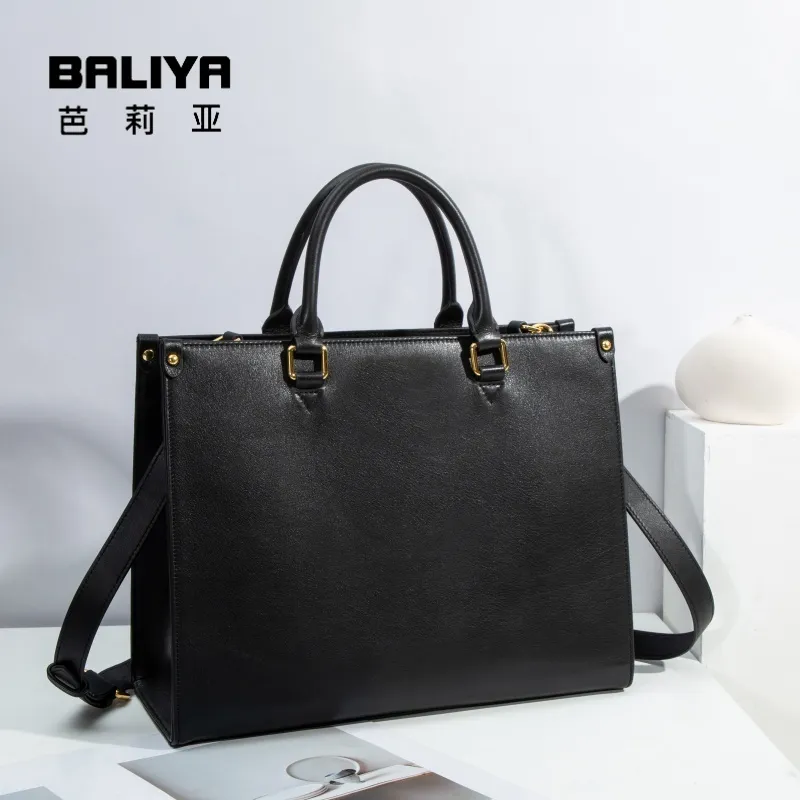
Daily use is one of the primary factors affecting a leather bag's shape; small, consistent choices can prevent stretching, sagging, or warping. To maintain the shape of a leather bag, align your usage habits with the bag's design and the properties of its material.
Overstuffing a leather bag is the primary cause of permanent shape loss. Leather, particularly natural varieties such as full-grain cowhide, possesses some flexibility but will stretch irreversibly if forced to hold more weight than it is designed for. To maintain the shape of a leather bag, it is advisable to carry only essential items: a wallet, phone, keys, and a small cosmetic pouch are usually sufficient. Keep in mind that the durability of leather bag materials varies—softer materials like lambskin are more prone to sagging than sturdier calfskin, making weight control even more critical for these types. This practice also relates to how to care for leather bags, as overloading not only distorts their shape but also weakens stitching and hardware over time.
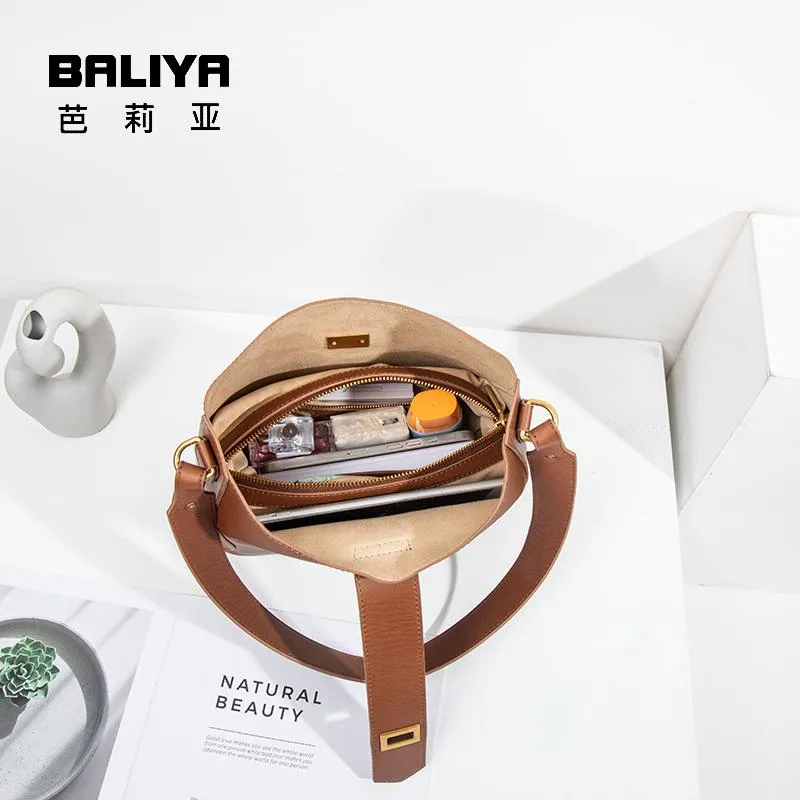
How you set down your leather bag when not in use directly affects its structure. Never toss it on the floor, a crowded chair, or a lopsided surface—this crushes edges, bends handles, and creates uneven pressure points. To maintain the shape of your leather bag, place it on a flat, clean surface (such as a table or a dedicated bag hook) where it can stand upright or lie flat without folding. For tote bags or hobo styles that lack rigid bases, consider placing a lightweight, removable insert (like a felt organizer) inside to add structure; this small step helps maintain the shape of your leather bag by preventing the sides from collapsing inward. This is also a simple aspect of how to care for leather bags, as it avoids unnecessary friction or scratches that come with haphazard placement.
When your leather bag is not in use, such as during seasonal changes, proper storage is just as crucial as daily maintenance. The aim is to preserve its natural shape and shield it from environmental harm—both of which are essential for maintaining the leather bag's shape over the long term.
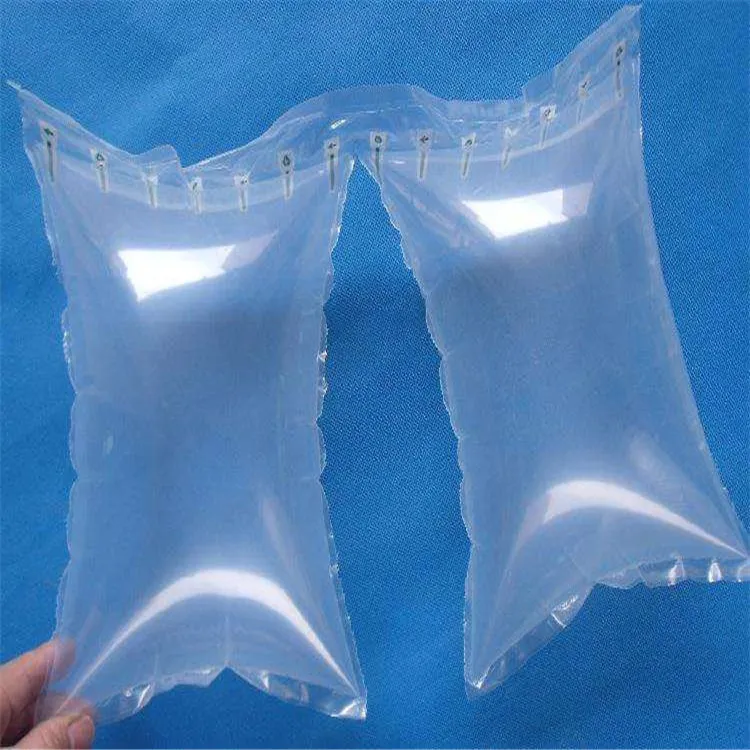
Empty leather bags often collapse, resulting in creases or permanent sagging. To preserve the shape of a leather bag during storage, fill its interior with soft, non-abrasive materials that won't harm the leather. Choose clean tissue paper, a folded cotton towel, or a specialized bag pillow. Steer clear of plastic bags or newspaper, as plastic can trap moisture and ink from paper may stain the interior. Adjust the amount of filler according to the leather bag's material: stiffer leathers, such as vegetable-tanned leather, require less filling to maintain their shape, whereas softer leathers, like suede, need gentle, even filling to prevent creasing. This step is crucial in leather bag care, as it maintains both the shape and the interior condition.
Extreme temperatures and humidity pose a threat to leather, as they can cause the material to dry out, crack, or swell—damaging its shape. To preserve the shape of a leather bag, store it in a cool, dry place with a consistent temperature ranging from 15 to 25°C and low humidity between 40 to 60%. Ensure it is kept away from direct sunlight, which can fade the color and make the leather stiff, as well as from heat sources such as radiators or air conditioners. For additional protection, refrain from using plastic containers for storage; instead, opt for a breathable cotton dust bag. This allows for air circulation while preventing dust accumulation. Proper environmental control is crucial for leather bag care, as it protects the material's integrity and supports the bag's structure.
The manner in which you store your bag, whether by holding or hanging it, can impact its shape. Avoid hanging leather bags by their handles for extended periods, as this can stretch the handles and cause the bag's body to sag, potentially warping the top. Instead, if hanging is necessary, opt for a wide, padded hanger that ensures the weight is evenly distributed across the handles. However, for most situations, laying the bag flat on a shelf, with appropriate filler inside, is preferable for maintaining its shape. When stacking bags, position the heavier ones at the bottom and the lighter ones on top, inserting a thin cotton cloth between them to prevent color transfer and protect both the shape and material. It's important to consider the material of the leather bag: delicate materials such as patent leather require extra padding between layers to prevent scratches and maintain shape.
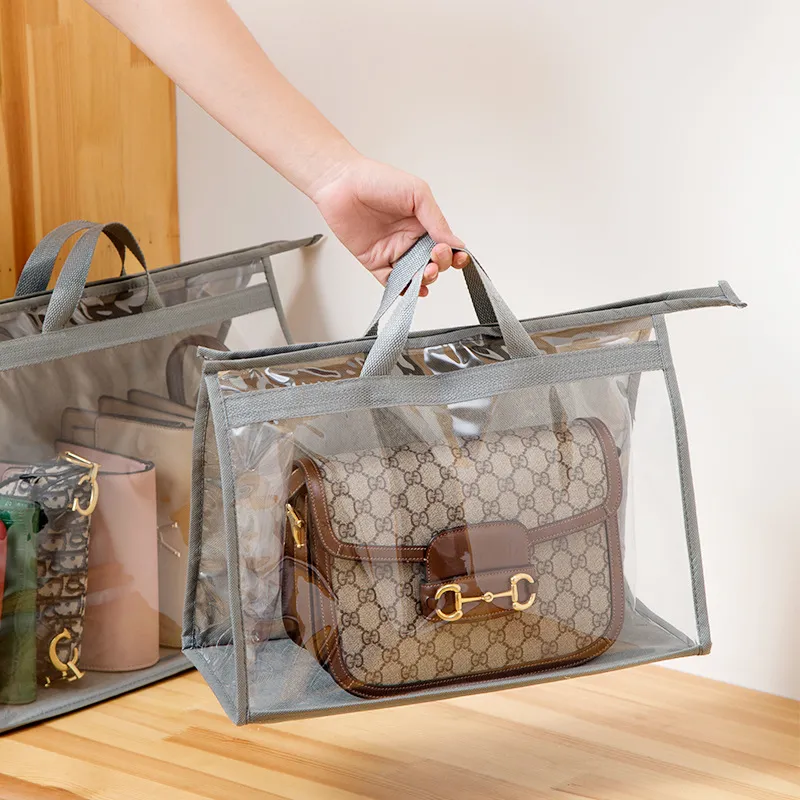
Maintaining a leather bag's shape does not require complex routines; rather, it involves consistent and intentional care that aligns with how you use and store the bag. By avoiding overloading, placing it mindfully during daily use, using appropriate fillers, controlling the storage environment, and selecting suitable storage methods, you can preserve your leather bag's structured appearance and newness for years. Remember, caring for leather bags and understanding your leather bag's material are essential to this process: knowing your bag's material helps you tailor your care habits, and thorough care ensures that maintaining the shape goes hand in hand with ensuring longevity. With these tips, you will not only preserve the shape of your leather bag but also honor the craftsmanship of your cherished accessory.